


Image Source: pexels
You ensure reliability, safety, and future readiness in a Power Distribution System when you plan and implement each step with care. Ouxu Electric helps you achieve these goals by following top industry standards like IEC 61439 for assemblies, IEC 60947-2 for circuit breakers, and IEC 60364 for installations. You benefit from advanced products and customer-focused service that optimize your design and keep your system efficient and secure.
Standard | Description |
|---|---|
IEC 61439 | Assemblies |
IEC 60947-2 | Circuit breakers |
IEC 60364 | Electrical installations |
UL 1558 | Switchgear in North America |
NFPA 70E | Electrical safety practices |
Key Takeaways
Start with a thorough load analysis to understand your system's electricity needs. This helps prevent overloads and ensures future growth.
Prioritize safety and compliance by following local regulations and using proper equipment. This protects both people and equipment from electrical faults.
Incorporate smart monitoring and technology to enhance system efficiency. Real-time insights help you manage power distribution effectively.
Choose modular and scalable designs for your power distribution system. This allows for easy upgrades and adjustments as your needs change.
Maintain clear documentation and communication throughout the project. This supports compliance, speeds up repairs, and ensures everyone is aligned.
Power Distribution System Overview

Image Source: unsplash
Definition and Importance
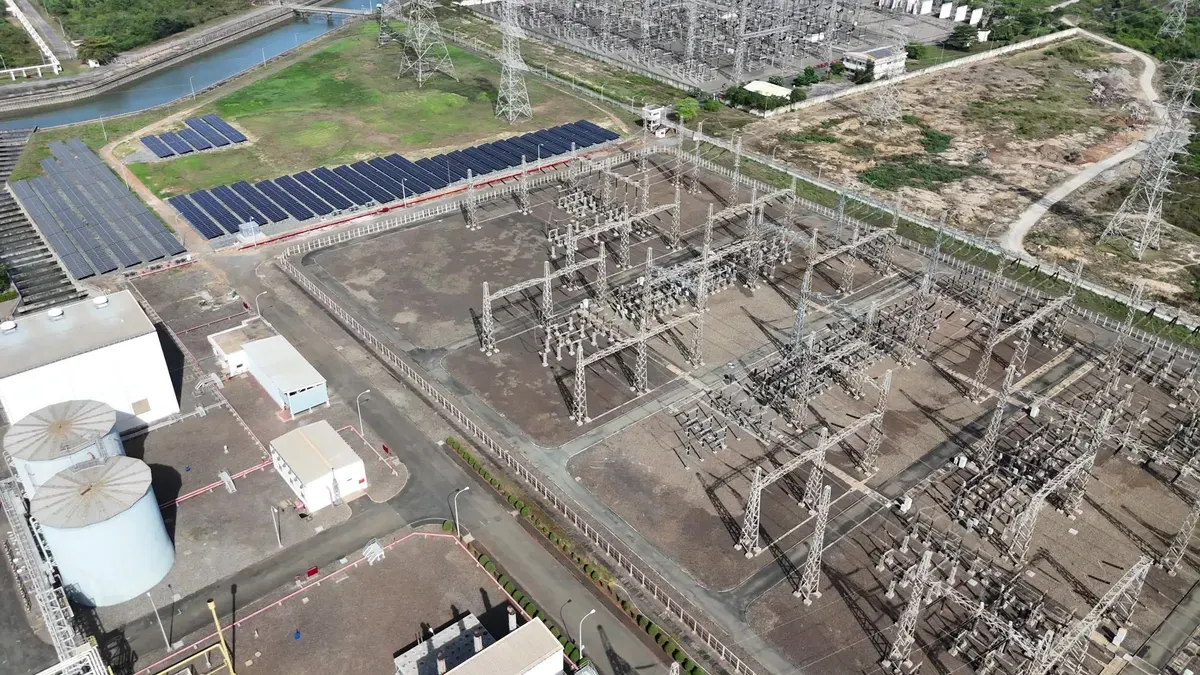
A Power Distribution System delivers electricity from substations to homes, businesses, and factories. You rely on this system every day to keep lights on and machines running. The design of a Power Distribution System depends on where you live and what your needs are. Urban areas often use complex networks to handle high demand, while rural regions may use simpler setups. Voltage standards also differ. For example, most of the world uses 220 or 230 volts, but the Americas use 100 to 120 volts.
You find several main components in a modern Power Distribution System:
Transformers step down high voltages to safer levels for use.
Switchgear acts as the central hub for routing power.
Circuit breakers protect circuits by disconnecting power during faults.
Panelboards distribute electricity to different areas.
The system performs several key functions:
Protection and isolation for safety
Load distribution to balance demand
Power quality management to keep voltage and frequency stable
Monitoring and control for system performance
A well-designed Power Distribution System improves operational efficiency and safety. Circuit breakers and switchgear prevent equipment damage and protect people. Redundant components and smart switching help keep the power on, even if a problem occurs. When you optimize energy use, you reduce losses and save money.
Ouxu Electric’s Role in System Innovation
Ouxu Electric helps you meet modern challenges with innovative solutions. The company’s prefabricated substations offer several advantages over traditional designs:
Aspect | Prefabricated Substations | Traditional Substations |
|---|---|---|
Installation Time | Longer construction | |
Labor Costs | 30-60% lower | Higher |
Space Requirement | 30-50% less | More space needed |
You benefit from faster installation, lower costs, and smaller space requirements. Ouxu Electric’s focus on research and development means you get access to the latest technology. Their products help you build reliable, efficient, and safe Power Distribution Systems that are ready for the future.
Key Design Principles
Load Analysis
You need to start with a careful load analysis when designing a Power Distribution System. This process helps you understand how much electricity your system must deliver and where it will go. You should consider several critical factors:
Apply the correct demand factors to estimate real usage.
Analyze diversity to see how loads operate at different times.
Plan for redundancy so your system can handle failures.
Allow for future expansion to support growth.
By following these steps, you can avoid overloads and ensure your system meets both current and future needs.
Reliability and Redundancy
You want your system to keep working, even if something goes wrong. Reliability and redundancy help you achieve this goal. Reliability means your system works as expected over time. Redundancy means you have backup parts or paths for electricity. You can measure the effectiveness of these strategies using different methods:
Measure | Effectiveness Description |
|---|---|
Statistical Flow Entropy | Reasonable approximation of reliability |
Resilience Index | Inconsistent results |
Network Resilience | Inconsistent results |
Surplus Power Factor | Inconsistent results |
You should use reliable methods to check your system’s performance. Adding backup circuits or extra equipment can reduce downtime and protect your operations.
Safety and Compliance
You must follow strict safety and compliance rules to protect people and equipment. These rules cover everything from how you wire circuits to the type of surge protection devices (SPDs) you install. For example:
Category | Exposure Level | Required SPD Type |
|---|---|---|
C | Highest | Type 1 SPDs rated for 20kA or higher |
B | Medium | Type 2 SPDs at panelboards |
A | Equipment level | Type 3 SPDs for sensitive electronics |
You also need to follow important code articles, such as:
Article 210: Branch Circuits
Article 215: Feeders
Article 230: Services
Article 240: Overcurrent Protection
Article 250: Grounding and Bonding
Article 430: Motors
Article 450: Transformers
Local rules may add more requirements. For example, some cities require special wiring methods or extra energy-saving features. Always check the latest codes for your area. You should use circuit breakers, fuses, and proper grounding to keep your system safe from overloads, short circuits, and faults.
Planning Process
Site Assessment
You begin every successful project with a thorough site assessment. You walk the site and gather data about the environment, available space, and existing infrastructure. You check for factors like humidity, temperature, dust, and possible exposure to water. These details help you choose the right equipment and plan for safe installation. For example, in Southeast Asia, high humidity and heat can cause corrosion and insulation problems. Ouxu Electric addresses these challenges by using corrosion-resistant materials and dehumidification features in their switchgear. You also review local regulations and utility requirements during your assessment. This step ensures your Power Distribution System will meet all safety and performance standards from the start.
Tip: Always document your findings with photos and notes. This record helps you explain your choices to stakeholders and supports future maintenance.
System Architecture
You design the system architecture based on your site assessment. You decide how to arrange transformers, switchgear, distribution panels, and protection devices. You map out the main and backup power paths. You consider load types, redundancy needs, and future expansion. Ouxu Electric’s XL power distribution cabinet gives you flexibility for both indoor and outdoor installations. You can choose wall-mounted or floor-standing models to fit your space. The modular design lets you customize the cabinet for different loads and protection needs. In large industrial parks, you might use GCS low-voltage withdrawable switchgear. This product supports high current, quick maintenance, and intelligent monitoring. You can swap out faulty units in minutes, which reduces downtime and keeps your operations running smoothly.
Note: Use clear diagrams to show your system layout. Diagrams help everyone understand the plan and spot potential problems early.
Technology Integration
You improve your system by integrating advanced technology. You add smart monitoring, remote control, and automation features. Ouxu Electric’s GCS switchgear supports intelligent measurement and control modules. You can connect these modules to a central monitoring system using standard communication protocols like RS485/Modbus. This setup lets you track voltage, current, and equipment status in real time. You receive alerts for overcurrent or faults, which helps you respond quickly and prevent damage. In case studies from Southeast Asia, Ouxu Electric provided remote monitoring for industrial parks. This feature allowed operators to manage power distribution from a mobile app, improving efficiency and safety. You also select equipment that meets local certification standards, such as TISI in Thailand or IEC in Africa and Europe. By choosing products like the XL cabinet and GCS switchgear, you ensure your system can adapt to harsh environments and future upgrades.
Checklist for Technology Integration:
Confirm compatibility with monitoring systems.
Verify support for remote control.
Ensure compliance with local and international standards.
Plan for easy upgrades and maintenance.
You build a strong foundation for your project when you follow these planning steps. You reduce risks, improve reliability, and make sure your system is ready for future needs.
Power Distribution System Design Steps
Schematic and Layout
You start your design process by creating a clear schematic and layout. This step helps you visualize how electricity will flow through your system. You can follow these steps to build a reliable schematic and layout:
Analyze and forecast the electrical load for each area.
Plan preliminary routes for cables and busbars.
Specify the equipment you need, such as transformers, switchgear, and distribution boxes.
Develop detailed engineering drawings that show all connections and components.
Review your design with your team and get approval from stakeholders.
Prepare construction documents for installation teams.
Update your drawings to reflect any changes made during construction, creating as-built documentation.
Tip: Use clear symbols and labels in your diagrams. This practice helps everyone understand the system and reduces mistakes during installation.
You can view examples of detailed layouts and schematics in Ouxu Electric’s XL power distribution cabinet product documentation.
Equipment Selection (Ouxu Electric Products)
You need to choose equipment that matches your system’s requirements and environment. Ouxu Electric helps you with a structured approach. The table below shows how you can select the right products for your project:
Criteria | Ouxu Electric Products' Response |
|---|---|
Requirement Communication | You specify your application, performance needs, and dimensions. |
Scheme Design and Quotation | Ouxu Electric designs the scheme, provides drawings, calculates performance, and checks feasibility. |
You can select from a range of Ouxu Electric products:
XL power distribution cabinet: Ideal for industrial and mining enterprises.
GCS low-voltage withdrawable switchgear: Supports high current and intelligent monitoring.
JP comprehensive distribution box: Suitable for outdoor and rural grid upgrades.
XM lighting distribution box: Designed for residential lighting and small appliances.
Note: Always check that your selected equipment meets local standards and environmental conditions. Ouxu Electric provides products that comply with IEC, TISI, and other international certifications.
You can also explore Ouxu Electric’s energy storage solutions for projects that require backup power or integration with renewable energy.
Protection Schemes
You must protect your system from faults and ensure safe operation. Modern protection schemes use advanced technology to detect and isolate problems quickly. Distance protection schemes work well in today’s distribution networks, especially when you have distributed generation sources like solar or wind. These schemes respond faster and are less affected by changes in the power source, making them reliable for your system.
You should combine distance protection with other methods, such as overcurrent and earth fault protection, to cover all possible risks. Ouxu Electric’s switchgear and distribution boxes include built-in protection features like overload, short-circuit, and leakage protection. You can monitor your system in real time and receive alerts if a problem occurs.
Callout: Test your protection schemes regularly. This practice ensures your system responds correctly during faults and keeps people and equipment safe.
You can find more details about protection features in Ouxu Electric’s GCS switchgear and JP distribution box product pages.
Implementation Best Practices
Installation Guidelines
You set the foundation for a reliable power distribution system by following clear installation guidelines. Start by separating power and control circuits to reduce interference. Avoid placing conduits near heat sources. Plan for thermal expansion and provide pull boxes for easier cable pulling. Support conduits at regular intervals and leave access for future maintenance.
Best Practice Category | Key Points |
|---|---|
Conduit and Raceway Installation | Keep power and control circuits apart, avoid heat, allow for expansion, and ensure access. |
Grounding System Excellence | Size conductors correctly, bond metallic parts, and test for low resistance. |
Labeling and Documentation | Label all panels, circuits, and disconnects clearly. |
Commissioning and Testing | Test before energizing, check voltage and current, and verify protection devices. |
Quality Checkpoints | Inspect at each stage: rough-in, pull-in, termination, and final review. |
When you install Ouxu Electric’s JP distribution box outdoors, use weather-resistant mounting hardware and ensure the box sits above ground level. For the XM lighting box, mount it securely on the wall and keep it away from moisture. Always follow the installation manual and consult Ouxu Electric’s technical support if you have questions.
Tip: Take photos during installation. These images help with future troubleshooting and warranty claims.
Quality Assurance
You ensure long-term reliability by checking your work at every stage. Begin with pre-energization tests like insulation resistance and continuity checks. During initial energization, verify phase rotation and measure voltage. Run full load tests and use infrared scanning to spot hot spots. Record all readings and compare them to design values.
Inspect conduit routing and box locations before pulling wires.
Confirm conductor sizes and color codes.
Use proper lugs and torque values for terminations.
Label all circuits and devices.
Keep detailed records of all tests and inspections.
Ouxu Electric’s after-sales service includes regular follow-up visits and remote support. You can schedule maintenance or get help with troubleshooting, which keeps your system running smoothly.
Documentation
You need accurate documentation for every project stage. Start with a conceptual design that matches your facility’s standards. Update your documents at 30%, 60%, and 90% completion to reflect code compliance, constructability, and coordination. Finish with as-built drawings for inspection and future reference.
Create clear schematics and layout drawings.
Label all equipment and circuits.
Store operation manuals and test reports in a safe place.
Train your team using the documentation.
Good documentation helps you pass inspections, speeds up repairs, and supports safe operation for years to come.
Future-Proofing and Smart Solutions
Image Source: unsplash
Scalability
You need a power distribution system that grows with your needs. Scalability ensures your system can handle future expansion without major redesigns. Start by investing in energy-efficient components and modular power distribution units (PDUs). Modular design lets you add capacity in phases, which saves money and time. Use software-defined power solutions for dynamic management as your load changes.
Design Element | Initial Provision | Expansion Capability |
|---|---|---|
Conduit sizing | 40% fill maximum | Allows additional conductors |
Switchgear | Empty breaker spaces | 25-30% spare positions |
Transformer capacity | 75% initial loading | 25% growth margin |
Load forecasting helps you predict future demand. You can also integrate renewable energy sources to support decentralized generation. Smart grid technologies and advanced monitoring systems make your system more adaptable and ready for new challenges.
Smart Monitoring
Smart monitoring gives you real-time insight into your power distribution system. You can detect fluctuations in supply and demand immediately. This helps you maintain grid stability, especially when using renewable energy. Advanced systems like SCADA quickly identify faults and direct maintenance teams to the right spot.
Smart monitoring also improves efficiency. For example, a manufacturer who invested in a power monitoring system found inefficient equipment and peak demand issues. By shifting loads, they reduced peak demand by 15% and saved $180,000 each year. Predictive maintenance prevented major failures.
You may face challenges when adding new technologies, such as integration complexity and cybersecurity risks. You can address these by investing in strong cybersecurity and training your team regularly.
Tip: Remote monitoring and control let you diagnose issues and make adjustments in real time, reducing downtime and costs.
Maintenance Planning
A strong maintenance plan keeps your system reliable and future-ready. Use predictive maintenance with AI and machine learning to spot problems before they cause failures. Schedule routine assessments to check for wear, corrosion, or outdated parts. Replace aging components like breakers and fuses before they fail.
Thermal imaging and advanced diagnostics help you find hidden faults and overheating. Keep detailed records of all inspections and repairs. Good documentation supports compliance and helps you plan for future upgrades.
Predictive maintenance prevents unexpected breakdowns.
Routine assessments catch issues early.
Preventive replacement avoids costly failures.
Advanced diagnostics improve fault detection.
Accurate records support long-term planning.
You build a safer, more reliable system when you combine these strategies.
Practical Considerations
Software Tools
You need the right software tools to design and manage a power distribution system efficiently. These tools help you create accurate drawings, analyze system performance, and manage assets. Here are some of the most common tools you will use:
CAD Software for Drafting: AutoCAD lets you draw construction plans, mark pole locations, and plan equipment mounting. MicroStation is another popular choice for utilities.
Power System Analysis Software:
Cymdist helps you study load flow and voltage drops.
Milsoft Windmil supports distribution planning and operations.
CYME offers a full suite for power engineering analysis.
OpenDSS gives you advanced modeling options as open-source software.
GIS and Asset Management Platforms: Geographic Information Systems track poles, transformers, and conductors. Modern platforms like Katapult Pro let you collect field data and update asset records, so your designs match real-world conditions.
Tip: Using these tools with Ouxu Electric’s GCS switchgear and XL power distribution cabinet helps you achieve both compliance and efficiency.
Regulatory Factors
You must follow different rules depending on your region. These regulations affect how you design, install, and operate your system. The table below shows key regulatory factors in major regions:
Region | Regulatory Factors |
|---|---|
Europe | Energy efficiency mandates, net-zero targets, ecodesign rules for transformers, retiring SF6 systems. |
Southeast Asia | RDSS funding for infrastructure upgrades, local certification like TISI. |
Africa | Stricter energy efficiency, fault tolerance, and system safety standards. |
Ouxu Electric’s solutions, such as the JP distribution box, meet these requirements and support your compliance efforts.
Stakeholder Communication
You need clear communication with all stakeholders to ensure project success. Share your plans, drawings, and schedules early. Use simple diagrams and regular updates to keep everyone informed. In Ouxu Electric’s projects across Southeast Asia, Africa, and Europe, teams used regular meetings and digital reports to align goals and solve problems quickly.
Good communication helps you avoid delays, reduce misunderstandings, and deliver a safe, efficient power distribution system.
You build a reliable power distribution system when you follow clear steps: assess your site, design the architecture, select quality equipment, and maintain strong documentation. Ouxu Electric’s innovative products and expert support help you achieve safety, efficiency, and future readiness. Stay proactive with regular maintenance and smart monitoring. If you want to optimize your next project, contact Ouxu Electric or explore our product range today.
FAQ
What makes Ouxu Electric’s products suitable for harsh environments?
You get products with corrosion-resistant materials, high protection ratings, and smart monitoring. These features help your system perform reliably in humid, hot, or dusty locations.
How do I choose the right power distribution cabinet for my project?
You should consider your load size, installation space, and environment. Ouxu Electric offers modular options like the XL cabinet for flexibility and easy customization.
Can I integrate renewable energy with Ouxu Electric’s systems?
Yes, you can. Ouxu Electric’s solutions support energy storage and smart monitoring, making it easy to add solar or other renewables to your power distribution system.
What after-sales support does Ouxu Electric provide?
You receive regular follow-up visits, remote technical support, and detailed installation manuals. Ouxu Electric helps you with maintenance and troubleshooting for long-term reliability.
How do I ensure my system meets local regulations?
You should select certified equipment and review local codes. Ouxu Electric’s products comply with international standards like IEC and TISI, helping you achieve regulatory compliance.