


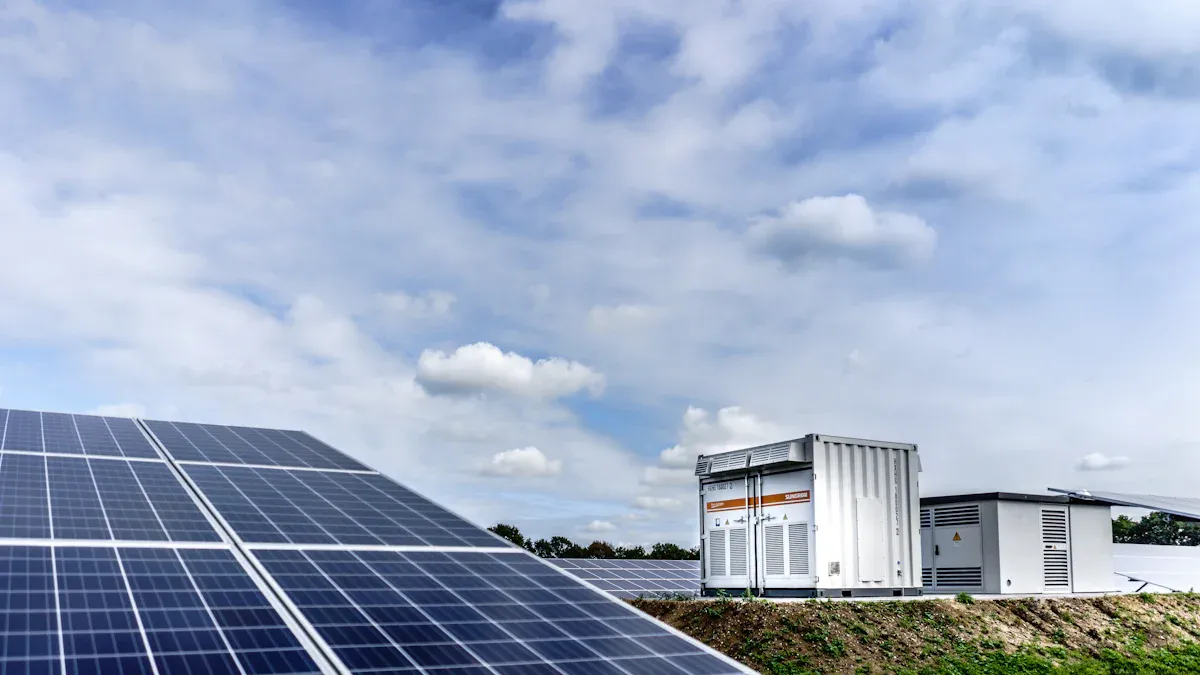
Image Source: unsplash
You face several pressing challenges when integrating renewable energy into power grids. These include:
Variability and intermittency from sources like solar and wind
Grid infrastructure not designed for distributed generation
The need for robust energy storage to balance supply and demand
As renewable energy adoption rises, grid stability and reliability become even more critical. The table below shows the impact on global grid metrics:
You need innovative solutions and advanced technologies to address these issues. Leading brands such as Ouxu Electric drive progress by delivering reliable and efficient products. Consider how overcoming these challenges shapes the future of energy worldwide.
Key Takeaways
Integrating renewable energy into power grids faces challenges like variability, infrastructure limits, and storage needs. Understanding these issues is crucial for reliable energy systems.
Smart grid technologies enhance electricity management by using digital tools to balance supply and demand. They help you use more renewable energy without risking outages.
Real-time monitoring systems provide immediate data on grid performance. This allows for quick responses to fluctuations in renewable energy generation, ensuring stability.
Advanced forecasting tools predict energy needs and renewable output. Using these tools helps reduce waste and ensures you have enough power during variable conditions.
Participating in demand response programs allows you to adjust energy use during peak times. This helps balance the grid and can save you money on electricity bills.
Renewable Energy Grid Challenges
Variability and Intermittency
You face one of the biggest challenges with renewable energy: its variability and intermittency. Solar and wind power do not produce electricity at a constant rate. Several factors cause these fluctuations:
Solar power generation depends on weather conditions and the amount of sunlight available.
Wind power changes with wind speed and direction, which can shift throughout the day and across locations.
These variations make it difficult to predict exactly how much energy you will get at any given time.
Understanding these patterns is important for designing energy systems that remain reliable. When the sun does not shine or the wind does not blow, energy output drops. This unpredictability means you must find ways to balance supply and demand.
Grid Infrastructure Limits
Traditional power grids were built for large, centralized power plants. Renewable energy sources, like solar panels and wind turbines, are often spread out and located far from where most people live. This creates several challenges:
Limited high-voltage transmission lines make it hard to connect remote renewable energy sites to the main grid.
The grid needs new control and protection technologies to handle the direct current from renewables and convert it to alternating current for distribution.
You need advanced inverters and control systems to ensure stable connections.
Because the grid was not designed for these new sources, you must upgrade infrastructure to make it more flexible and robust. Without these upgrades, it becomes difficult to handle the variable supply from renewable energy.
Power Quality and Stability
When you add more renewable energy to the grid, you may notice issues with power quality and stability. These problems can include:
Difficulty maintaining steady frequency and voltage levels.
Renewable systems must handle voltage drops of 10% or more without disconnecting.
Flicker, or short bursts of power changes, can affect homes and businesses.
Power quality disturbances, such as voltage sags and frequency changes, can disrupt sensitive equipment in factories and homes. This can lead to economic losses and lower product quality. Industries that rely on continuous processes are especially at risk because of the unpredictable nature of renewable energy generation.
Storage and Backup Issues
You need effective storage and backup solutions to manage the ups and downs of renewable energy. Advanced energy storage technologies play a key role in stabilizing the grid. Some of the most effective options include:
Solid-state batteries, flow batteries, and hydrogen storage, which offer high energy density and long life.
Lithium-ion batteries, which are popular because they store a lot of energy and are becoming more affordable.
Storage systems that smooth out fluctuations, store extra power for later, and provide instant backup during outages.
Energy storage is essential for keeping the grid stable and meeting demand. Without enough storage, you may face higher costs and less reliable electricity, especially during periods when renewable generation is low.
Security and Regulatory Barriers
You also face security and regulatory barriers when integrating renewable energy into the grid. The table below highlights some of the main challenges:
Recent regulatory changes, such as new rules from the Federal Energy Regulatory Commission (FERC), aim to improve how renewable energy connects to the grid. These changes focus on better transmission planning and faster review processes. However, you still need more reforms to fully support renewable energy integration.
Grid Modernization Solutions
Modernizing the power grid is essential as you increase the share of renewable energy in your electricity supply. You need advanced systems that can handle the unique challenges of solar and wind power. Let’s explore how smart grid technologies, real-time monitoring, and advanced forecasting help you achieve a stable and efficient grid.
Smart Grid Technologies
Smart grid technologies transform traditional electricity networks into intelligent systems. These grids use digital communication, sensors, and automation to manage electricity flow more efficiently. You benefit from smart grids because they can quickly respond to changes in supply and demand.
Here are some key features of smart grid technologies that support renewable energy integration:
You see smart grids adopted in many countries that lead in renewable energy. Rising electricity consumption, urban growth, and more electric vehicles drive the need for intelligent grid systems. Governments and utility companies invest in these technologies to modernize networks and support large-scale renewable energy integration. For example, in The Bahamas, smart grid solutions help island grids use more renewable sources, showing how these technologies work in real life.
Note: Smart grids make your electricity supply more reliable and flexible. They help you use more renewable energy without risking blackouts or instability.
Real-Time Monitoring
Real-time monitoring gives you the power to see what happens on the grid every second. This is important because renewable energy sources like wind and solar can change quickly. You need to detect these changes right away to keep the grid stable.
Real-time monitoring enables immediate detection of fluctuations in electricity supply and demand.
It is essential due to the variable nature of renewable energy sources like wind and solar.
Effective frequency and phase angle monitoring provide necessary data for timely interventions.
Smart grids use sensors and automated controls to give you real-time data and analytics. Energy storage systems, such as batteries, act as a buffer against sudden changes in renewable output. Advanced monitoring techniques let you manage the grid proactively, not just react to problems.
Some of the most advanced real-time monitoring systems include:
SCADA systems, which provide real-time monitoring and control, creating a digital twin of the grid.
These systems quickly identify faults and direct maintenance teams.
SCADA improves service quality by reducing the number and length of outages.
Edge computing devices process data locally, making decisions faster and reducing the load on central control centers.
These devices can detect faults and adjust power flow on their own, keeping your power on during critical events.
Without real-time monitoring, you risk frequency deviations and voltage instability. This can lead to widespread power outages. Real-time monitoring helps you keep a steady balance between electricity production and consumption.
Advanced Forecasting
Advanced forecasting tools help you predict how much electricity you will need and how much renewable energy you will generate. These tools use data from weather stations, market trends, and smart meters to give you accurate forecasts.
You use advanced grid management systems that rely on artificial intelligence and machine learning. These systems analyze huge amounts of data to predict when and where you will need more electricity. Weather monitoring solutions give you up-to-date information on sunlight, wind speed, and temperature. This helps you plan for changes in renewable energy output. Market monitoring solutions let you track energy prices and demand, so you can make smart decisions about when to use or store electricity.
Tip: By using advanced forecasting, you can reduce waste, save money, and make sure you always have enough power—even when the weather changes.
Modern grid solutions like smart grids, real-time monitoring, and advanced forecasting give you the tools to handle the challenges of renewable energy. You can build a more reliable, efficient, and sustainable power system for the future.
Energy Storage Innovations by Ouxu Electric
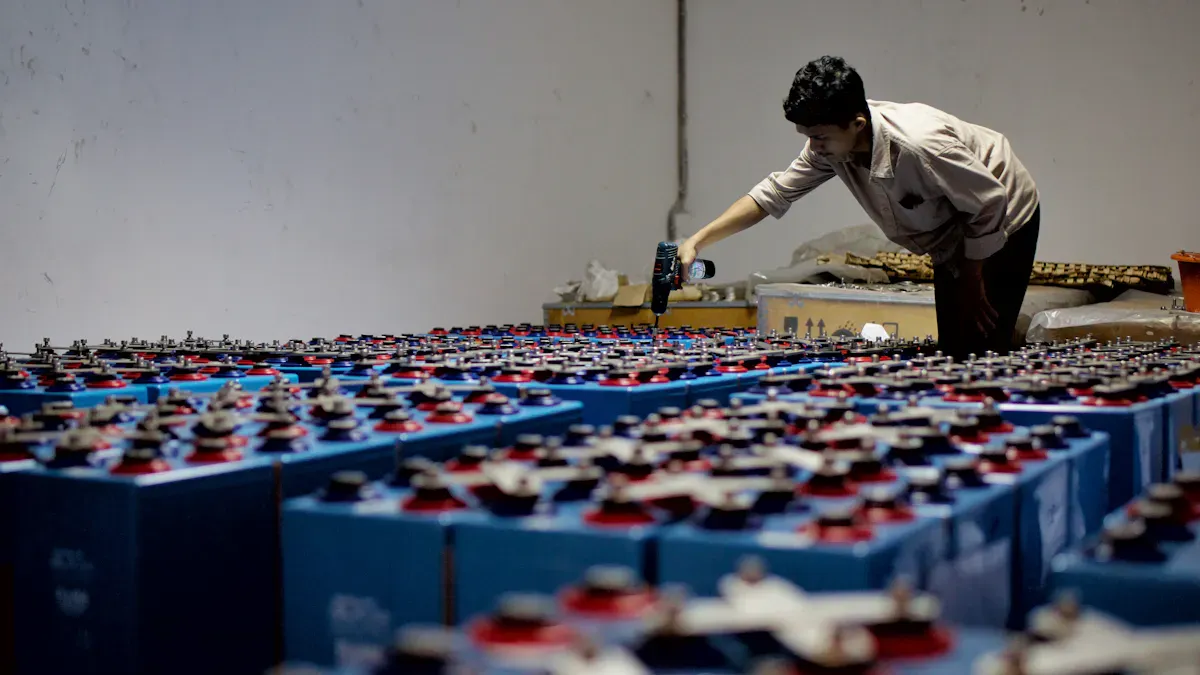
Image Source: pexels
Stackable Household Energy Storage
You can improve your home's energy independence with Ouxu Electric's Affordable Stackable Household Energy Storage system. This modular solution lets you add or remove storage layers based on your needs. Each module works independently, so you always have a reliable backup during power outages or emergencies. The system uses Lithium Iron Phosphate cells, which offer long life and high safety. You can move the units easily because they have wheels and a lightweight design.
If you use solar panels, this storage system connects directly to your photovoltaic inverter. You can store extra solar power during the day and use it at night or when the grid goes down. Many families and small businesses in over 20 countries trust this system for daily backup and microgrid applications. You can learn more about the Affordable Stackable Household Energy Storage on Ouxu Electric's website.
Tip: Stackable storage gives you flexibility. Start with one module and add more as your energy needs grow.
Grid-Scale Storage Solutions
You need powerful solutions for large renewable projects. Ouxu Electric offers integrated energy storage systems that support grid stability and reliability. In Africa, Ouxu Electric delivered a 5MWh storage solution for a 10MW photovoltaic power station. This system uses advanced lithium batteries and a smart battery management system. It provides backup power during outages and helps balance supply and demand.
The storage cabinets work well in hot climates and switch between grid and off-grid modes in less than 200 milliseconds. This fast response keeps the power steady even when the main grid fails. The system also forecasts solar output, so you can plan your energy use better. For more details, visit the Energy Storage Integrated Solution – Africa Power Station page.
If you want to see how these solutions fit into your project, check out Ouxu Electric's full range of PV energy storage systems. You can also read related blog posts for more insights.
Reactive Power Compensation Devices
You need devices that help your power grid stay stable when you add more renewable energy. Ouxu Electric offers two solutions: the TBBZ High Voltage Reactive Power Automatic Compensation Device and the GGJ Low Voltage Reactive Power Compensation Device. These devices improve power quality and efficiency for homes, businesses, and large projects.
High Voltage Compensation (TBBZ Device)
You can use the TBBZ device to support high-voltage systems like industrial parks, substations, and new energy grid connections. This device tracks and compensates for reactive power automatically. It helps you keep voltage steady and reduces energy losses. You get a better power factor, which means your equipment works more efficiently and lasts longer.
The TBBZ device responds quickly to changes in the grid.
It works in tough environments, including outdoor and high-temperature locations.
You can reduce fines for reactive power and save money on electricity bills.
Note: The TBBZ device is ideal for large-scale renewable energy projects. It helps you solve low voltage problems and supports stable power supply.

Image Source: cqox-transformer
Learn more about the TBBZ High Voltage Compensation Device
Low Voltage Compensation (GGJ Device)
You can use the GGJ device for low-voltage systems in factories, commercial buildings, and small businesses. This device uses intelligent control to track and compensate for reactive power. It improves your power factor and reduces line losses. You get harmonic suppression, which protects your equipment from damage caused by electrical noise.
The GGJ device offers full protection against overvoltage, overcurrent, and overheating.
It works well in dusty and humid environments.
You can save up to 25% on electricity bills each year.
Tip: The GGJ device is perfect for optimizing energy use in smaller setups. It helps you meet national standards and keeps your power supply reliable.

Image Source: cqox-transformer
Explore the GGJ Low Voltage Compensation Device
You can read more about how these devices support renewable energy integration in Ouxu Electric's blog.
Distributed Resources and Microgrids
Image Source: unsplash
Role of Distributed Generation
You see distributed generation changing how you use electricity. Small-scale systems, like rooftop solar panels, connect directly to your local grid. This setup lets you produce power close to where you need it. You reduce energy losses because you do not rely on long-distance transmission. Distributed generation helps you avoid building new infrastructure, saving money and resources.
Environmental impact reduction
Economic advantages
Improved grid stability and efficiency
Distributed generation gives you more control during outages. You keep your lights on even when the main grid fails. This approach supports the stability and efficiency of your energy system. You help the environment by using clean sources and lowering emissions. You also see economic benefits because you spend less on electricity and infrastructure.
Tip: Distributed generation makes your energy supply more reliable and flexible. You can add more renewable sources without stressing the main grid.
Microgrid Benefits
Microgrids offer you a way to manage power locally. You use microgrids to group homes, businesses, or industries together. These systems operate independently or connect to the main grid. Microgrids help you lower electricity bills through local generation. You gain energy independence during outages. Stable power supplies create economic opportunities and support local industries.
Applications across various industries
Improved resilience and flexibility in power systems
Microgrids improve energy access for your community. You see positive impacts in education, healthcare, and agriculture. You allocate resources for other areas of development because you spend less on energy. Microgrids support the growth of local jobs and businesses. You benefit from a cleaner, more resilient power system.
Note: Microgrids help you use renewable energy efficiently. You build a stronger community with reliable power and new opportunities.
Demand Response and Flexibility
Consumer Participation
You play a vital role in making the power grid more flexible. Demand response programs invite you to adjust your energy use during peak times. When you shift your usage, you help balance supply and demand. This action supports grid stability and makes it easier to use Renewable Energy.
You see several strategies that increase your participation in demand response programs:
Incentives encourage you to change your energy habits. You may receive discounts or rewards for lowering your consumption during busy hours.
Advanced metering infrastructure (AMI) and IoT devices let you monitor your energy use in real time. You can track your consumption and make quick decisions.
Smart energy monitoring systems help you manage distributed energy resources. You can maximize efficiency and reduce waste.
Software solutions optimize energy distribution and storage. You gain more control over your energy use and participate in demand response programs with ease.
Tip: When you use smart devices and monitoring systems, you make your energy choices smarter. You help the grid and save money at the same time.
Automated Demand Response
Automated demand response takes your participation to the next level. You do not need to manually adjust your energy use. Instead, automated systems respond to signals from the grid. These systems change your consumption during peak periods. This process aligns energy demand with supply, which is especially important for integrating renewable sources that fluctuate.
Automated demand response improves grid flexibility. It allows the grid to handle sudden changes in energy production. You benefit from a more stable power supply. The grid can use more renewable energy without risking outages. Automated systems also help utilities manage resources efficiently.
Note: Automated demand response makes energy management easier for you. It supports a cleaner and more reliable power grid.
Grid Integration Strategies
Transmission Upgrades
You need strong transmission systems to move electricity from where it is made to where people use it. As you add more Renewable Energy, you must upgrade these systems. Many wind farms and solar plants sit far from cities and factories. You cannot rely on old power lines to carry all this new energy. Upgrading transmission lines helps you send large amounts of electricity over long distances without losing much power.
You see new technologies like high-voltage direct current (HVDC) lines making a big difference. HVDC systems let you connect renewable sources to the main grid more easily. These lines carry more electricity with less loss. They also make it simpler to link different regions together. When you use HVDC, you support a stable and reliable grid, even as you add more clean energy.
Tip: Upgrading transmission lines is not just about adding wires. You also need smart controls and sensors to watch for problems and fix them quickly.
Regional Interconnections
You can make your grid stronger by connecting it with other regions. Regional interconnections let you share electricity across borders or between states. If one area has extra wind or solar power, you can send it to a place that needs more energy. This sharing helps balance supply and demand. It also means you do not waste energy when there is too much.
Regional interconnections give you more options during emergencies. If a storm knocks out power in one area, you can get electricity from another region. This setup makes your grid more flexible and less likely to have blackouts. You also help lower costs because you can buy and sell electricity where it is cheapest.
Note: By building strong connections between regions, you help everyone get cleaner, more reliable power.
Policy and Market Support
Incentives for Modernization
You see governments and organizations offering incentives to help you modernize the power grid. These incentives encourage you to invest in new technologies and upgrade old infrastructure. You can benefit from tax credits, grants, and rebates when you install advanced energy storage systems or smart grid devices. Many regions provide financial support for projects that use clean energy sources.
Tax credits lower your costs for installing solar panels or wind turbines.
Grants help you pay for research and development of new grid solutions.
Rebates reward you for using energy-efficient equipment.
Tip: You should check local programs and policies. Incentives change often, so you need to stay updated to get the most benefits.
A table can help you compare common incentives:
Regulatory Reforms
You need clear rules and standards to support the integration of Renewable Energy. Regulatory reforms make it easier for you to connect new sources to the grid. You see agencies updating policies to speed up approval processes and remove barriers. These reforms help you access cleaner energy and improve grid reliability.
Faster permitting lets you build solar and wind projects quickly.
Updated standards ensure safe and reliable grid connections.
Flexible regulations allow you to use new technologies without delays.
Note: Regulatory reforms create a level playing field. You can compete fairly and help drive the transition to sustainable energy.
You should follow changes in regulations. Staying informed helps you plan your projects and take advantage of new opportunities.
You see innovative solutions from Ouxu Electric helping you overcome grid integration challenges.
You benefit from ongoing technological advancement and industry collaboration.
You should stay informed about new developments in grid technology and Renewable Energy.
You help build a sustainable and secure energy future by supporting successful integration.
Explore Ouxu Electric's products and solutions
FAQ
What is renewable energy grid integration?
You connect renewable sources like solar and wind to the power grid. This process helps you use clean energy and reduce reliance on fossil fuels. Grid integration improves energy efficiency and supports sustainability.
How does energy storage help with renewable integration?
You use energy storage systems to save extra power from renewables. These systems release energy when demand rises or supply drops. Storage keeps your electricity reliable and stable.
Why do you need reactive power compensation devices?
You install reactive power compensation devices to improve power quality. These devices help you maintain steady voltage and reduce energy losses. Your equipment works more efficiently and lasts longer.
Can you use Ouxu Electric’s stackable storage for solar panels?
You can connect Ouxu Electric’s stackable household energy storage to your solar panels. This setup lets you store solar power during the day and use it at night or during outages.
What are the benefits of microgrids for your community?
Microgrids give you local control over energy. You keep power on during outages and lower electricity costs. Microgrids support clean energy and help your community grow stronger.