


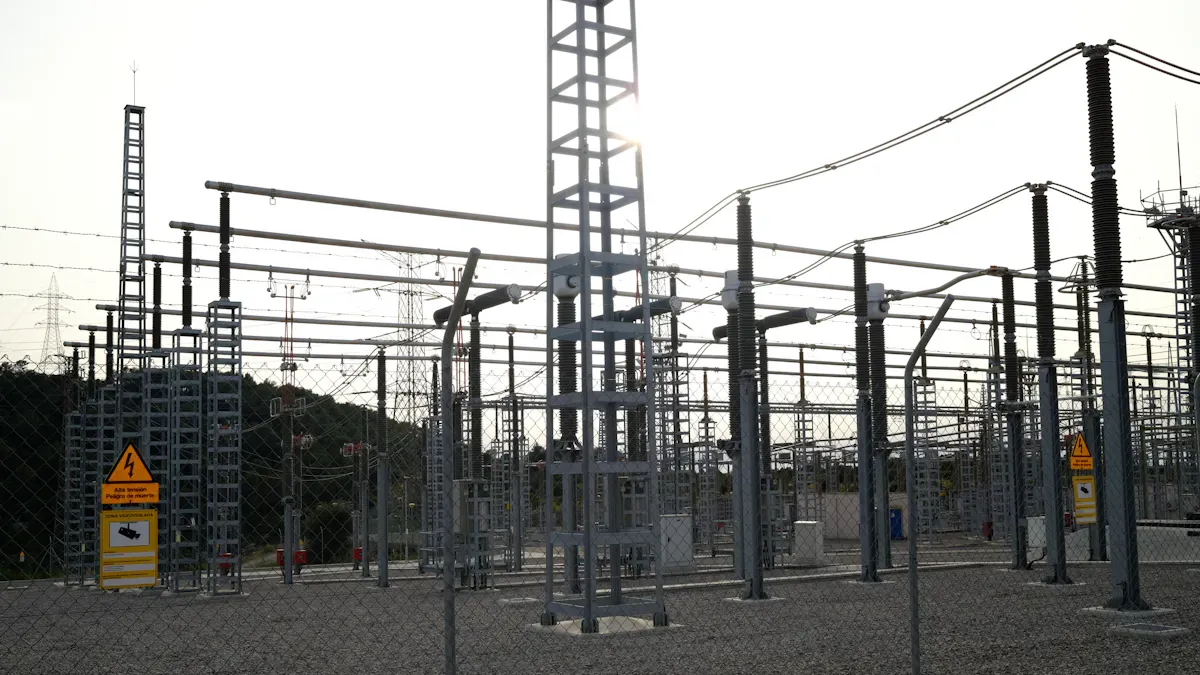
Image Source: pexels
When you compare low voltage and high voltage switchgear, you focus on key differences that impact safety and performance. Recognizing these differences helps you choose the right equipment for your facility. Engineers rely on this knowledge to design reliable electrical systems. Careful selection improves safety and boosts efficiency. Ouxu Electric offers both LV and HV switchgear solutions to meet diverse industry needs. You can explore the full range of Ouxu Electric’s switchgear products here.
Key Takeaways
Low voltage switchgear operates at 120 V to 600 V, while high voltage switchgear handles 46 kV to 230 kV. Choose based on your facility's voltage needs.
Low voltage switchgear is smaller and easier to install. High voltage switchgear is larger and requires special installation and maintenance.
Safety features differ: low voltage uses basic insulation, while high voltage needs advanced insulation and emergency systems for safety.
Consider your environment when selecting switchgear. Humidity and temperature can affect performance, so choose the right type for your conditions.
Ouxu Electric offers expert support to help you select the right switchgear for your needs, ensuring safety and efficiency.
Key Differences Between Low Voltage and High Voltage Switchgear
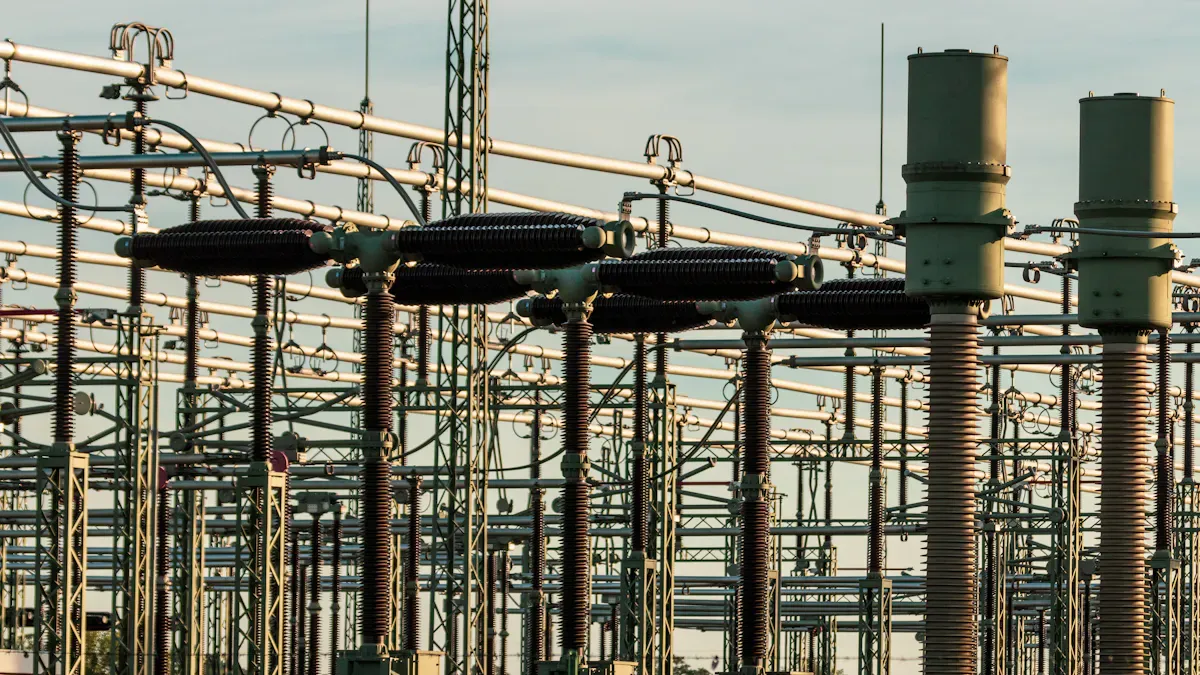
Image Source: pexels
Understanding the key differences between low voltage and high voltage switchgear helps you make informed decisions about power distribution in your facility. You need to know how these systems operate, what voltage ranges they cover, and how their designs impact safety and performance. Ouxu Electric provides both types, ensuring you have access to the right solution for your needs.
Definitions and Voltage Ranges
You can distinguish low voltage and high voltage switchgear by the voltage levels they manage. International standards, such as IEC and ANSI, define these categories clearly. Low voltage switchgear typically handles voltages from 120 V to 600 V. High voltage switchgear manages much higher voltages, from 46 kV up to 230 kV. Medium voltage switchgear fills the gap between these ranges.
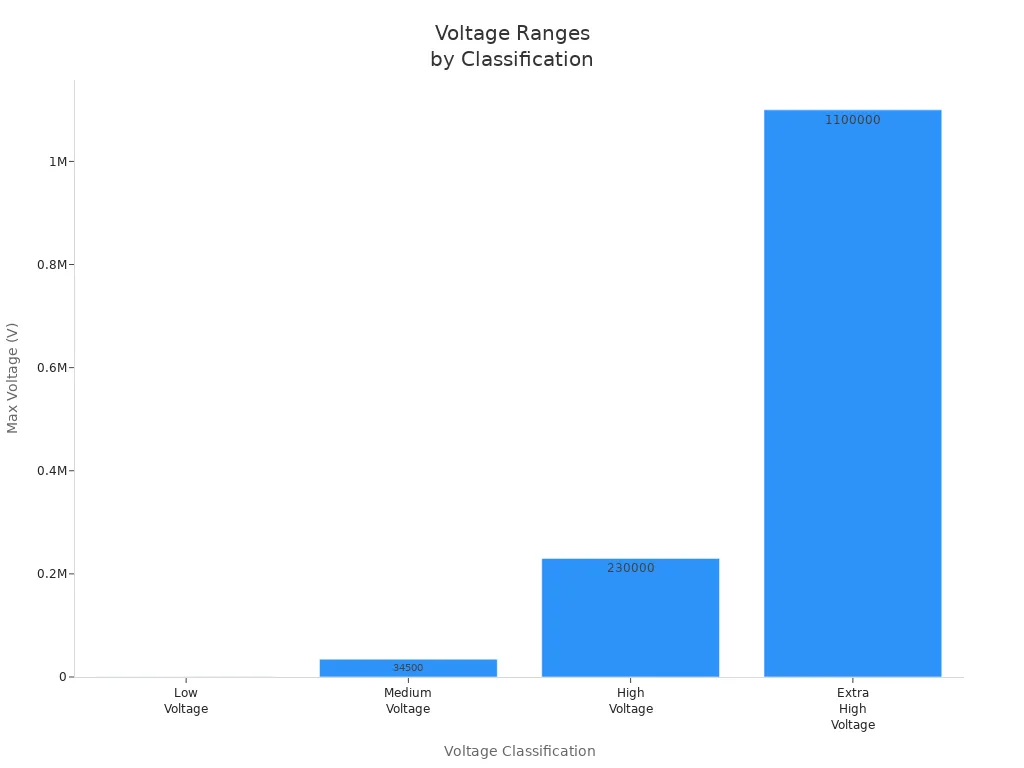
You can see that low voltage switchgear is common in commercial buildings and small industrial settings. High voltage switchgear is essential for power transmission in utility grids and large industrial plants. Ouxu Electric offers a full range of solutions, including GGD low-voltage switchgear for lower voltages and KYN61-40.5 high-voltage switchgear for higher voltages.
Tip: Always check the voltage requirements of your application before selecting switchgear. Using the wrong type can lead to safety hazards or equipment failure.
Design and Construction
The design and construction of switchgear change significantly between low voltage and high voltage systems. You will notice key differences in size, complexity, and safety features.
Ouxu Electric GGD Low Voltage Switchgear: compact and modular for easy installation.
Ouxu Electric KYN61-40.5 High Voltage Switchgear: robust, armored, and designed for demanding environments.
Low voltage switchgear, like Ouxu Electric’s GCS withdrawable switchgear, uses a modular structure. This makes it easy to install, maintain, and expand. High voltage switchgear, such as the XGN15-12 box type switchgear, features a larger, more robust enclosure. It often requires a dedicated room and specialized installation.
Safety requirements also differ. Low voltage switchgear uses basic insulation and standard safety devices. High voltage switchgear needs advanced insulation, such as SF6 gas, metal encapsulation, and emergency shutdown features. You must follow strict safety protocols when working with high voltage systems.
Low voltage switchgear reduces arc flash incident energy by up to 85% compared to conventional designs.
The integration of advanced RCDs has reduced electrical fatalities by 40% in industrial settings.
IEC 61439-compliant low voltage switchgear experiences 60% fewer safety-related incidents than non-certified alternatives.
Ouxu Electric’s products meet international standards. For example, the GGD low voltage switchgear complies with IEC 61439, ensuring reliable protection and coordinated system performance. High voltage models, like the KYN61-40.5, use robust insulation and intelligent monitoring to handle extreme electrical stresses.
You will also find differences in technological advancements. Modern switchgear from Ouxu Electric includes IoT-enabled condition monitoring, which predicts failures and reduces downtime. Solid-state circuit breakers interrupt faults faster and require less maintenance. Sustainability initiatives, such as using recycled materials, help reduce the carbon footprint of new installations.
Note: Always consider the environment and application when choosing between low voltage and high voltage switchgear. Ouxu Electric offers expert guidance to help you select the right solution.
By understanding these key differences, you can ensure safe, efficient, and reliable power distribution in your facility.
Applications of LV and HV Switchgear
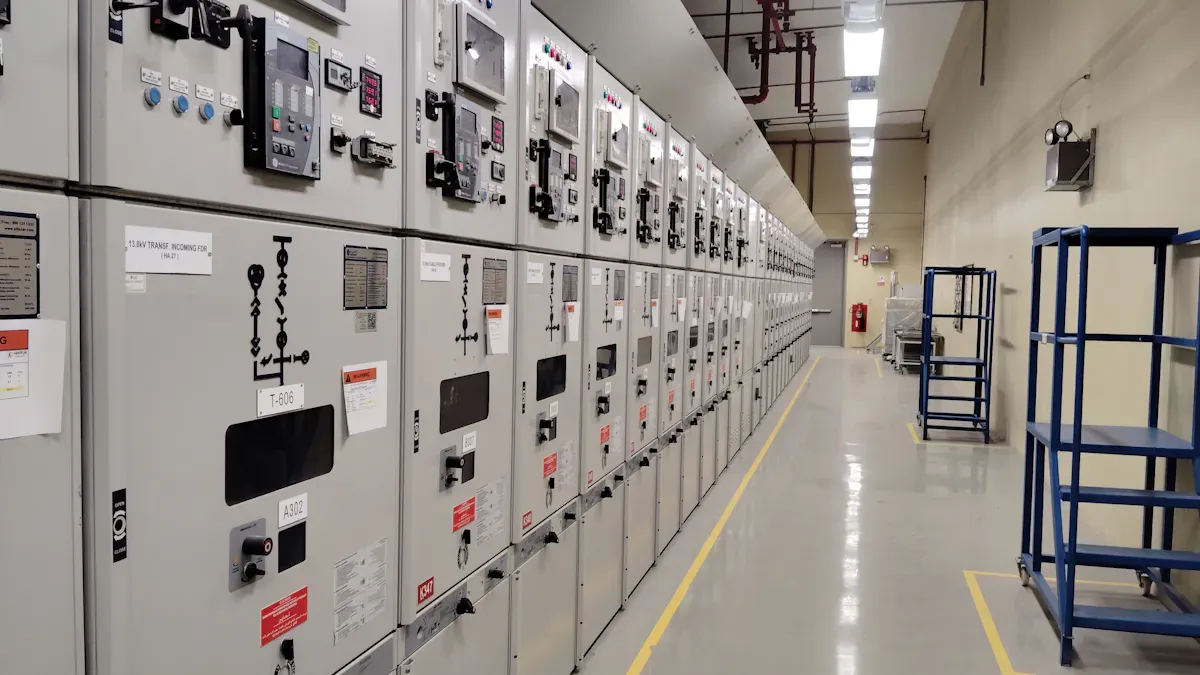
Image Source: pexels
Industrial and Commercial Use Cases
You will find that low voltage and high voltage switchgear serve different roles in electrical systems. Low voltage switchgear, such as Ouxu Electric’s GGD, GCS, and GCK models, is common in residential buildings, commercial centers, and light industrial facilities. You use these products for safe power distribution, lighting control, and protection of electrical equipment.
High voltage switchgear, including Ouxu Electric’s XGN15-12, KYN61-40.5, and HXGN-12, is essential for power generation, transmission, and large-scale industrial automation. You will see these products in utility substations, renewable energy plants, and heavy industry.
Low voltage switchgear supports everyday electrical systems, while high voltage switchgear manages electricity in large-scale operations. This shows the key differences in their roles.
Ouxu Electric Product Applications
You can see Ouxu Electric’s switchgear in action across the globe. In Southeast Asia, an industrial park in Bangkok uses Ouxu Electric’s medium and low voltage switchgear to ensure reliable power for electronics and food processing factories. The case study highlights how GGD and KYN28A-12 switchgear provide flexible capacity and withstand harsh, humid environments. The remote monitoring system helps you track performance and prevent downtime.
In Africa, Ouxu Electric’s switchgear plays a key role in energy storage projects. For example, a new energy power station in Kenya uses medium voltage switchgear to connect solar power and storage systems. This setup balances intermittent energy and supports grid stability.
Medium voltage switchgear in industrial parks and energy storage projects offers high reliability and easy maintenance.
These products protect valuable equipment and help prevent costly downtime.
In renewable energy, switchgear manages fluctuating power output and ensures safe, efficient distribution.
Ouxu Electric’s international projects, such as SmartCity Malaga and the India NSGM Pilot, demonstrate real-world benefits. You see reduced grid losses, improved voltage control, and fewer transformer overloads after integrating advanced switchgear.
Tip: Explore Ouxu Electric’s customer stories to learn how these solutions improve safety and efficiency in different industries.
Cost and Maintenance Comparison
Initial Investment
When you compare the initial investment for low voltage and high voltage switchgear, you see a clear difference in cost. Low voltage switchgear usually costs less to purchase and install. High voltage switchgear requires a larger budget because of its size, complexity, and the need for specialized installation. Here is a breakdown of typical costs for commercial installations:
You should consider these costs when planning your project. Ouxu Electric offers both LV and HV switchgear options, so you can match your investment to your facility’s needs.
Maintenance Needs
Maintenance plays a big role in the total cost of ownership. Low voltage switchgear, like Ouxu Electric’s GGD or GCK models, requires less frequent and less complex maintenance. You can often perform daily visual inspections and schedule comprehensive checks every 24 to 36 months. In harsh environments, annual servicing is best.
High voltage switchgear, such as Ouxu Electric’s KYN61-40.5 or XGN15-12, needs more specialized care. You should schedule at least one preventive maintenance service each year. These services include advanced tests like insulation resistance, contact resistance, and dielectric strength. Professional technicians must handle these tasks.
Low voltage switchgear maintenance:
Visual inspections
Cleaning and tightening connections
Functional testing of protective devices
High voltage switchgear maintenance:
Infrared thermography
Dielectric and partial discharge testing
Environmental monitoring
You should also factor in service provider availability and contract costs. Ouxu Electric supports you with flexible maintenance plans and expert service teams, helping you keep your system reliable and safe.
Advantages of Ouxu Electric Switchgear
LV Switchgear Benefits
When you choose Ouxu Electric low voltage switchgear, you gain access to advanced technology and practical design. The GGD, GCS, and GCK models offer modular construction, which makes installation and expansion simple. You can quickly replace faulty units, reducing downtime and keeping your operations running smoothly. The flexible electrical schemes allow you to customize the system for your specific needs.
Ouxu Electric’s LV switchgear uses high-quality copper busbars and robust insulation. This design improves safety and reduces the risk of electrical faults. The cabinets feature high protection levels, up to IP54, which means you can use them in demanding environments. Intelligent monitoring options help you track system health and prevent issues before they occur.
You also benefit from strong customer support. Ouxu Electric provides clear installation manuals, remote guidance, and regular maintenance plans. This support ensures your equipment stays reliable over time.
Ouxu Electric GGD Low Voltage Switchgear: modular design for easy installation and maintenance. Learn more
HV Switchgear Benefits
Ouxu Electric high voltage switchgear stands out for its reliability and advanced features. You can use these products in large-scale power distribution, such as substations, industrial parks, and renewable energy plants. The KYN61-40.5, XGN15-12, and HXGN-12 models use armored enclosures and advanced insulation, including SF6 gas, to ensure safety.
The table below shows how Ouxu Electric HV switchgear enhances performance:
You can rely on smart monitoring systems to detect problems early. This technology helps you schedule maintenance before failures happen. Ouxu Electric’s focus on research and development means you receive products that meet the latest standards and deliver real-world energy savings.
Ouxu Electric designs HV switchgear for many settings, including schools, hospitals, and industrial sites. You get versatile solutions that adapt to your needs. The company’s commitment to quality and innovation puts you at the forefront of electrical safety and efficiency.
Ouxu Electric KYN61-40.5 High Voltage Switchgear: advanced safety and smart monitoring. See details
Tip: Ouxu Electric’s expert support team helps you maximize the value of your switchgear investment.
Selection Guide: How to Choose the Right Switchgear
Key Factors for Selection
Choosing the right switchgear for your facility requires careful evaluation of several important factors. You should start by understanding your voltage levels and load requirements. This step helps you decide if low voltage or high voltage switchgear fits your needs. Conduct a short circuit analysis and an Arc Flash study to determine the correct size and rating.
Environmental and installation conditions play a big role in long-term performance. Temperature, humidity, dust, and corrosive materials can affect reliability. For example, excessive humidity may cause corrosion, while high temperatures can degrade insulation. You should select switchgear with the right NEMA classification for your environment.
Regulatory standards ensure that switchgear operates safely in harsh environments. Always check for compliance with local and international regulations before making a decision.
Tip: Select the NEMA classification that matches your installation—NEMA 1 for indoor, NEMA 3R for outdoor, and NEMA 4 for areas exposed to water.
Ouxu Electric Solutions for Different Needs
Ouxu Electric supports you at every step of the selection process. The company’s experts help you match the best product to your requirements, whether you need low voltage switchgear for a commercial building or high voltage switchgear for an industrial park. Ouxu Electric customizes solutions based on voltage needs, available space, and application type.
You benefit from a focus on energy efficiency and operational safety. Ouxu Electric emphasizes products that enhance reliability and reduce long-term costs. The company also provides strong customer service, including technical support, installation guidance, and regular maintenance plans. This support ensures your switchgear continues to perform at its best.
If you need help with product selection or have questions about compliance and installation, Ouxu Electric’s team is ready to assist. Their tailored approach and commitment to quality make it easier for you to address the key differences between low voltage and high voltage switchgear and choose the right solution for your facility.
You now understand the main differences between low voltage and high voltage switchgear. Each type has unique design, safety, and application features. Matching the switchgear to your voltage and load needs ensures safe and efficient power distribution. Ouxu Electric leads with innovative, energy-saving solutions like dry type amorphous alloy transformers. You can trust Ouxu Electric for quality products and expert support. For personalized advice, contact Ouxu Electric or explore their full product range.
FAQ
What is the main difference between low voltage and high voltage switchgear?
You use low voltage switchgear for systems up to 600 V. High voltage switchgear handles voltages above 46 kV. Ouxu Electric provides both types for different power needs.
Where do you install Ouxu Electric low voltage switchgear?
You install Ouxu Electric low voltage switchgear in commercial buildings, factories, and data centers. It manages power distribution and protects equipment in these environments.
How often should you maintain high voltage switchgear?
You should schedule maintenance for high voltage switchgear at least once a year. Ouxu Electric recommends regular inspections to ensure safety and reliability.
Can Ouxu Electric switchgear handle harsh environments?
Yes. Ouxu Electric designs switchgear with corrosion-resistant materials and advanced protection. You can use it in humid, hot, or dusty locations.
How do you choose the right switchgear for your project?
You should consider voltage level, load size, and installation environment. Ouxu Electric experts help you select the best switchgear for your needs.