


Image Source: unsplash
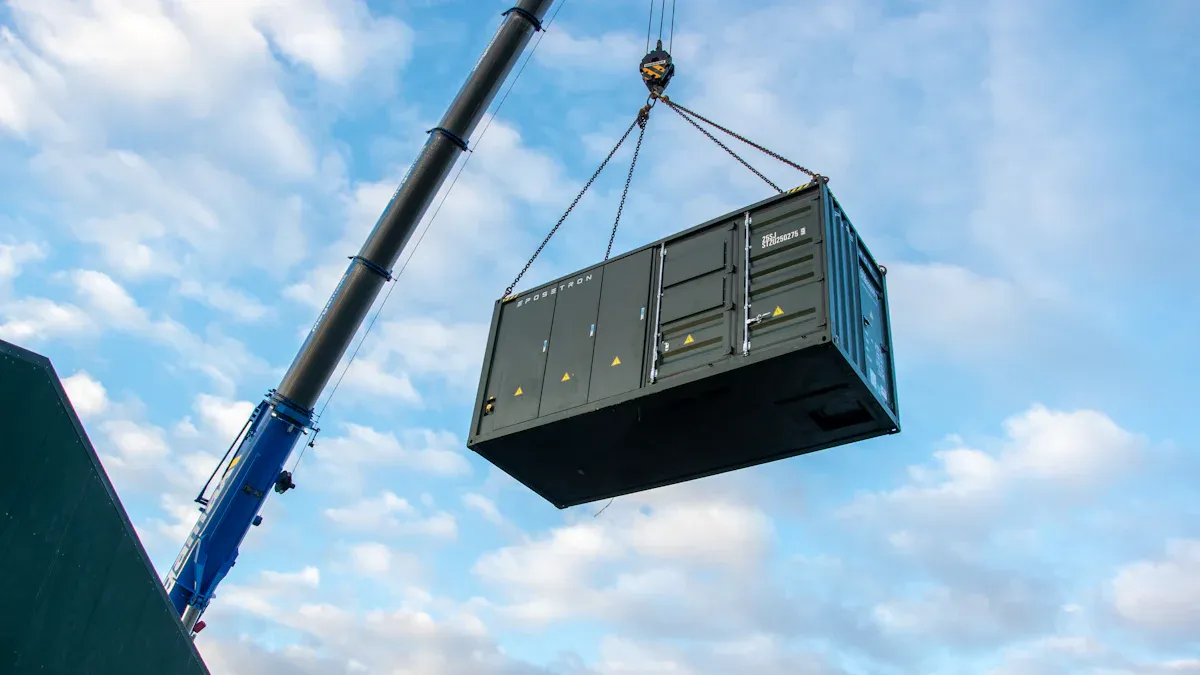
Energy Storage is changing how you manage power in your business. The global market for industrial energy storage systems will hit $9.9 billion in 2026 and grow to $55.9 billion by 2035. You gain operational resilience, cost savings, and sustainability when you invest in battery systems. Ouxu Electric’s integrated cabinets help you handle grid instability and make the most of renewable energy. Check out the table below for key business benefits:
Contribution | Description |
|---|---|
Operational Resilience | Backup power keeps your business running during outages. |
Cost Savings | Peak shaving lowers your energy bills. |
Sustainability | Renewable integration reduces your carbon footprint. |
Key Takeaways
Investing in C&I energy storage systems can lead to significant cost savings by reducing peak demand charges and optimizing energy use.
These systems provide operational resilience, ensuring your business remains powered during outages and minimizing downtime.
C&I energy storage supports sustainability goals by integrating renewable energy sources and reducing carbon footprints.
Choosing the right energy storage solution involves assessing your energy needs, sizing the system correctly, and considering safety and technology factors.
Utilizing advanced monitoring and management systems allows for real-time performance tracking, helping you optimize energy use and maintenance.
C&I Energy Storage Overview
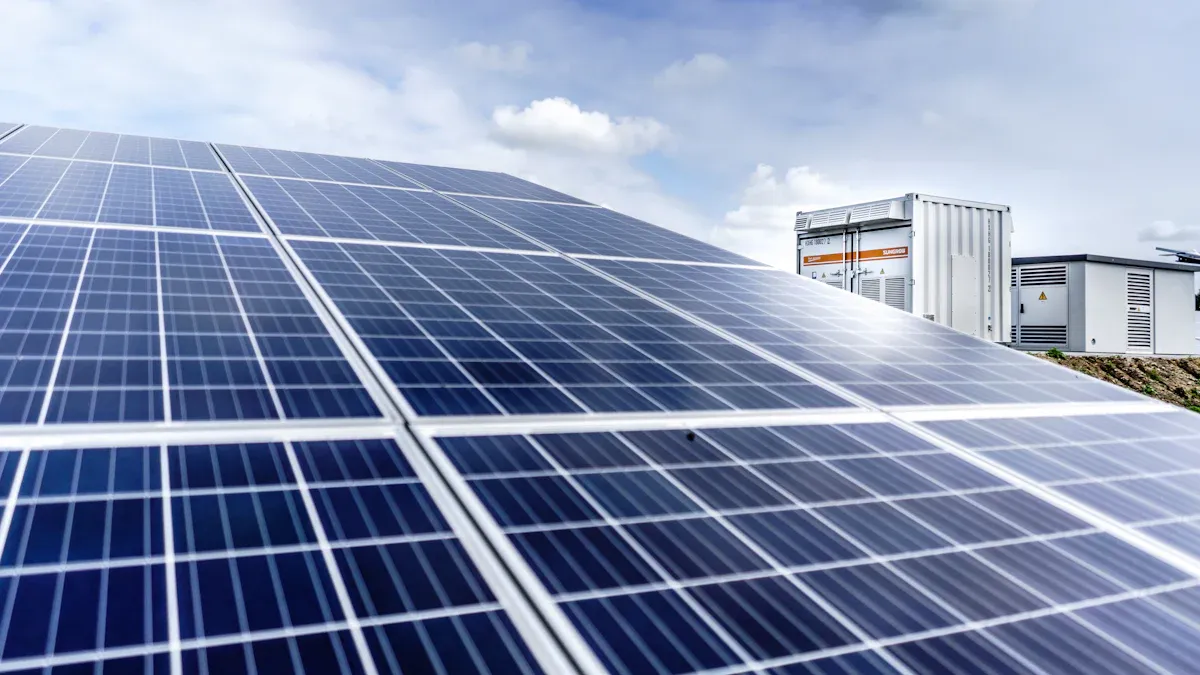
Image Source: unsplash
What Is C&I BESS?
You might wonder what makes commercial and industrial battery energy storage systems (C&I BESS) different from the batteries you use at home. These systems are built to handle much bigger jobs. They help businesses like factories, office buildings, and shopping centers manage their power needs. You can think of C&I BESS as the backbone for modern energy management in busy places.
Here’s a quick look at how these systems are structured and what they do:
Aspect | Description |
|---|---|
Definition | Commercial and industrial battery energy storage systems are designed to meet higher capacity demands. |
Structure | These systems integrate multiple battery packs into containerized cabinets for scalability and flexibility. |
Components | They typically include lithium-ion battery packs, advanced thermal management, and safety systems. |
Applications | Used for peak shaving, load shifting, and backup power in commercial and industrial settings. |
A commercial energy storage system lets you control your facility’s energy use. You can tackle blackouts and keep your operations running smoothly. These systems use advanced battery technology, power conversion equipment, and smart energy management. The scale is impressive—some setups start at 100 kW and can reach up to megawatt levels, perfect for complex business needs.
Key Differences from Residential and Utility Systems
You might ask, “How is C&I Energy Storage different from what I have at home or what the power company uses?” Let’s break it down:
Capacity and Scale
Residential systems are small. They usually support a single home and store just enough energy for basic needs. C&I systems, on the other hand, are much larger. They can power entire buildings or even industrial parks. Utility systems are even bigger, often supporting whole cities or regions.Design and Structure
At home, you might see a wall-mounted battery. In a business, you’ll find containerized cabinets packed with battery modules, cooling systems, and fire protection. These cabinets are built for outdoor or indoor use and can be customized for your site.Purpose and Use Cases
Home batteries mostly store solar energy for nighttime use or emergencies. C&I Energy Storage helps you save money by reducing peak demand charges, provides backup power during outages, and supports renewable energy integration. Utilities use massive systems to balance the grid and manage large-scale renewable energy.Technology and Management
C&I systems use advanced lithium-ion batteries, thermal management, and safety features. They also come with remote monitoring and energy management software. This means you can track performance, spot issues early, and optimize your energy use from anywhere.
Tip: If you run a business, investing in C&I Energy Storage gives you more control over your energy costs and helps you avoid downtime.
Here’s a table to sum up the main differences:
Feature | Residential System | C&I System | Utility System |
|---|---|---|---|
Typical Capacity | 5–20 kWh | 100 kWh–multi-MWh | Multi-MWh–GWh |
Main Application | Home backup, solar self-use | Peak shaving, backup, load shifting | Grid balancing, frequency regulation |
Installation | Wall/floor mounted | Containerized cabinets, modular | Large-scale, centralized |
Management | Basic monitoring | Advanced EMS, remote monitoring | Utility SCADA systems |
When you choose the right system for your business, you get reliable power, lower bills, and a step toward a greener future.
How C&I Energy Storage Works
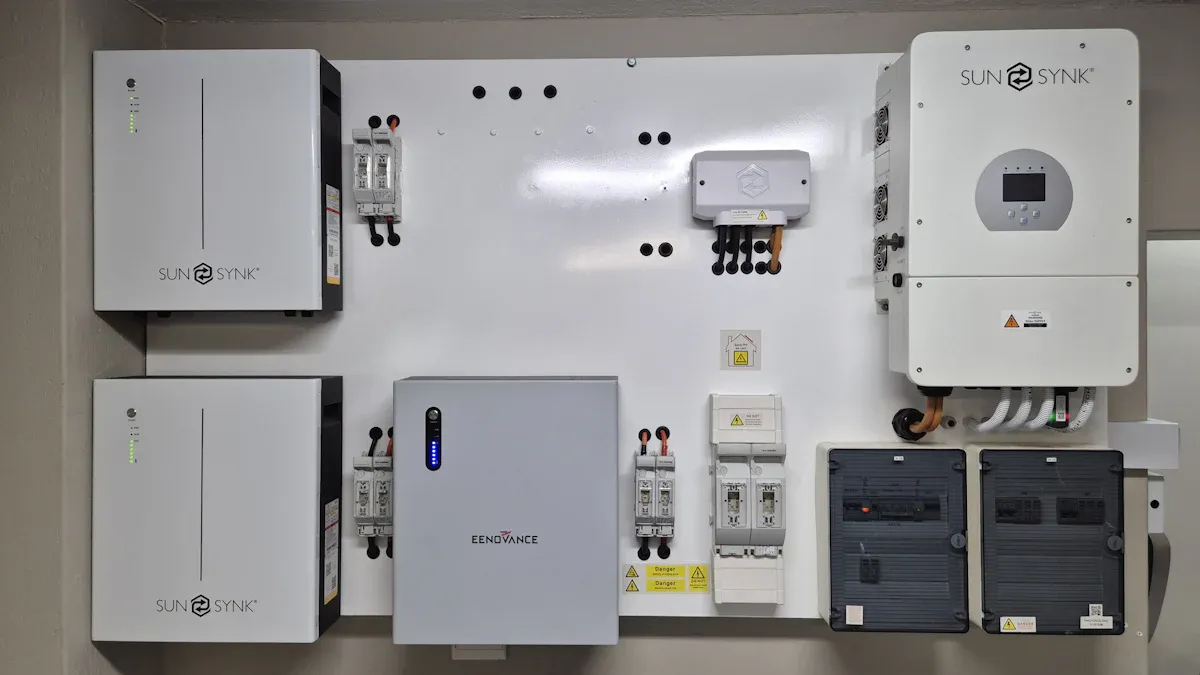
Image Source: unsplash
Core Components and Technologies
You might wonder what makes up a commercial and industrial battery system. Let’s break down the main parts you’ll find inside:
Battery System: This is where you store energy. It uses electrochemical cells grouped into modules and racks.
Battery Management System (BMS): This system keeps your batteries safe. It checks voltage and temperature, making sure everything runs smoothly.
Power Conversion System (PCS): You need this to switch energy between AC and DC. It helps you charge and discharge the batteries.
Energy Management System (EMS): This controls the whole operation. It decides when to charge or discharge based on your needs and outside data.
Thermal Management System: This keeps your batteries at the right temperature. It protects them and helps them last longer.
Safety Systems: You get fire detection and suppression built in. These layers of protection keep your business safe.
Each part works together to give you reliable performance and peace of mind.
Operation Cycle and Integration
You use Energy Storage to handle your power needs in smart ways. Here’s how the operation cycle usually works:
Peak shaving lets you lower your demand during busy hours. You avoid high charges by using stored energy.
Load shifting moves your energy use to cheaper times. You charge batteries when rates are low and use them when rates go up.
Backup power keeps your business running during outages. You don’t have to worry about losing critical operations.
The Power Conversion System and Battery Management System help you connect with your existing energy setup. They make sure energy flows efficiently and safely. You get seamless integration, so your business can keep running without interruptions.
Tip: If you want to optimize your energy use, look for systems with advanced monitoring and control. You can track performance and make adjustments from anywhere.
Typical Use Cases
You’ll find commercial and industrial battery systems in many industries. Here’s a quick look at common ways businesses use them:
Use Case | Description |
|---|---|
Peak shaving and load shifting | Manage electricity and improve efficiency by shifting peak loads. |
Avoid high fees by discharging stored energy during high-load periods. | |
Time-of-use arbitrage | Charge batteries when electricity is cheap and discharge when rates are high. |
Backup power | Keep operations running during grid outages for places like hospitals or data centers. |
Carbon reduction | Pair with solar energy to cut fossil fuel use and support sustainability. |
You can tailor these systems to fit your business goals. Whether you want to save money, boost reliability, or go green, Energy Storage gives you options.
Energy Storage Benefits for Business
Cost Savings and Peak Shaving
You want to cut your energy bills, right? Energy Storage helps you do just that. When you use batteries to store electricity during off-peak hours, you can avoid paying high rates during peak times. This process is called peak shaving, and it can make a big difference for your bottom line.
A large manufacturing facility reduced demand charges by 35% and saved over $500,000 every year after installing a 5 MW / 10 MWh battery system.
A retail chain cut electricity expenses by 18% each year through peak shaving.
Many businesses see faster payback periods and better ROI when they use battery systems.
You get more predictable energy costs, which makes budgeting easier.
Tip: If you want to avoid surprise charges on your utility bill, peak shaving with Energy Storage is a smart move.
Operational Resilience and Backup Power
Power outages can stop your business in its tracks. With a battery system, you get backup power that kicks in almost instantly. These systems respond faster than traditional generators and can keep your critical operations running without missing a beat.
You can connect batteries to solar panels, so they recharge during the day. They run quietly and don’t need fuel deliveries. For long outages, you can even combine batteries with generators to extend your backup time. Whether you need to power your whole site or just the most important equipment, battery systems give you options.
By storing extra energy when demand is low, you make sure your business stays up and running during grid failures. This is especially important if you operate in areas with frequent storms or unreliable power.
Sustainability and Grid Services
You care about the environment and want to support a stable grid. Battery systems let you store extra energy when production is high and use it when demand spikes. This helps balance the grid and supports your sustainability goals.
Batteries act as a rapid response team for the grid, adjusting output in milliseconds.
They provide frequency regulation, which keeps electricity flowing smoothly.
You can use stored energy for peak shaving and energy arbitrage, buying low and using or selling high.
Here’s a quick look at how batteries compare to traditional backup power:
Battery Energy Storage Systems | Traditional Backup Power | |
|---|---|---|
Carbon Footprint | Higher (manufacturing) | Lower (fuel dependent) |
Resource Depletion | Significant (materials) | Lower |
Water Usage | High (extraction) | Lower |
Land Use Changes | Installation required | Minimal |
Ecosystem Disruption | Possible (mining) | Lower |
Waste Generation | High (recycling issues) | Lower |
While batteries have some environmental impacts, they help you use more renewable energy and reduce your reliance on fossil fuels. That’s a win for your business and the planet.
Financial Considerations
ROI and Payback Analysis
You want to know if investing in a battery system makes sense for your business. The good news? Many companies see strong returns. Let’s look at a real-world example:
In 2023, a logistics center in northern Italy installed a 2MWh battery system with 1.5MW of rooftop solar.
The center saved over €130,000 on electricity in the first year.
The project has a projected return on investment (ROI) of 14%.
The payback period is under five years.
You can expect similar results if you size your system correctly and use it for peak shaving, backup, and renewable integration. Most businesses see payback periods between three and seven years, depending on local electricity rates and incentives. You get more predictable energy costs and a faster path to savings.
Tip: Track your energy bills before and after installation. You’ll see the difference in your bottom line.
Incentives and Ownership Models
You have more ways than ever to make battery storage affordable. Utilities and policymakers are working hard to support battery adoption. In North America, you can benefit from federal clean energy mandates, state renewable standards, and grid modernization programs. The Investment Tax Credit (ITC) and state-level incentives can lower your upfront costs. Many companies also invest in storage to meet their own sustainability goals.
Countries like South Korea and Italy are increasing financial incentives for battery storage. Policymakers now recognize the value storage brings to the entire electricity system.
When it comes to ownership, you have options:
Customer Owned: You buy and operate the system yourself.
Third-party Owned: A company installs and manages the system, and you pay a fee or share savings.
Utility Owned: The utility owns the system and provides services to your site.
Each model has pros and cons. You can choose the one that fits your budget and business strategy.
Choosing the Right C&I Energy Storage Solution
Selecting the best commercial and industrial battery system for your business can feel overwhelming. You want a solution that fits your needs, keeps your operations safe, and is easy to manage. Let’s break down the key steps to help you make a smart choice.
Assessing Energy Needs and Sizing
Before you pick a system, you need to know how much energy your business uses and when you use it most. Here’s a simple way to get started:
Look at your daily and monthly energy usage. Try to gather at least 12 months of data.
Identify your peak demand times. These are the hours when your business uses the most power.
Decide which equipment or areas must stay on during an outage. These are your critical loads.
Think about future growth. Will your energy needs increase in the next few years?
Check how much space you have for installation. Make sure the area meets safety and environmental requirements.
Review local rules and regulations for installing battery systems.
Calculate the total energy capacity you need, measured in kilowatt-hours (kWh).
Figure out how long you want the system to provide backup power—this is your required duration.
Consider the charging and discharging rates your operations demand.
Add up the total cost over the system’s life, not just the upfront price.
Tip: The right size system helps you avoid paying for more capacity than you need, but also keeps you covered during peak times or outages.
Ouxu Electric’s Safe and Reliable Integrated Industrial and Commercial Energy Storage Cabinet makes this process easier. The cabinet offers customizable energy options from 215kWh to 261kWh, so you can match your exact needs. Its flexible design fits both small and large installations, and it works well in tough environments.
Technology and Safety Factors
Not all battery systems are created equal. You want a solution that is safe, reliable, and easy to integrate with your current setup. Here are the main things to check:
Factor | What to Look For |
|---|---|
Battery Chemistry | Lithium iron phosphate batteries offer high safety and long life. |
Performance and Reliability | Choose systems with proven track records and robust engineering. |
Safety Protocols | Look for multi-layered fire protection and advanced thermal management. |
Certifications | Make sure the system meets standards like UL 9540 and has fire performance data from UL 9540A. |
Integration and Compatibility | The system should work with your existing electrical infrastructure and be easy to scale. |
Environmental and Regulatory Compliance | Check that the system meets local codes and can handle your site’s climate and conditions. |
Ouxu Electric’s cabinet stands out with its multi-level fire protection, including cabinet-level and PACK-level systems, plus perfluoroacetone and water fire interfaces. The lithium iron phosphate batteries inside are known for their safety and long cycle life. The cabinet’s IP54 rating means it’s dustproof and waterproof, so you can install it outdoors—even in harsh weather.
Note: Always ask for documentation on safety certifications and fire testing before you buy.
O&M and Remote Monitoring
Once your system is up and running, you want it to stay that way with minimal hassle. Operation and maintenance (O&M) and remote monitoring play a big role in long-term performance.
A good system lets you track key metrics, such as:
Metric | Why It Matters |
|---|---|
Helps you manage when to use or store energy and avoid over-discharge. | |
Temperature Trends | Alerts you to overheating or other issues before they become serious. |
Dispatched Energy | Shows if the system is delivering the power you expect. |
Charge/Discharge Power | Confirms the system is working within safe limits. |
State of Health (SOH) | Lets you plan maintenance and understand battery aging. |
Ouxu Electric’s integrated cabinet supports remote monitoring and centralized management. You can connect through Modbus, 104, or MQTT protocols. This means you can check your system’s status from anywhere, catch problems early, and keep your business running smoothly. The cabinet’s robust design and intelligent cooling system also reduce maintenance needs, saving you time and money.
Pro Tip: Choose a system with strong after-sales support and clear O&M guidelines. Ouxu Electric offers detailed manuals, remote assistance, and regular follow-ups to keep your system in top shape.
If you want a solution that combines safety, reliability, and adaptability, Ouxu Electric’s Safe and Reliable Integrated Industrial and Commercial Energy Storage Cabinet is a great example. It’s built for real-world business needs and comes with the support you need for long-term success.
Implementation and Best Practices
Project Planning and Site Survey
You want your project to start strong. Careful planning and a thorough site survey set you up for success. Here’s a quick table to guide you:
Description | |
|---|---|
Thorough Site Surveys | Check space, delivery access, and your current electrical setup. |
Grid Study | Review how your system will connect to the grid and what’s needed. |
Load and Financial Modeling | Analyze your energy use and make sure the project makes financial sense. |
Effective Project Management | Plan ahead and keep everyone in the loop to avoid surprises. |
You should also talk with your utility and local regulators early. This helps you avoid delays and keeps your project on track. Ouxu Electric’s team can walk you through these steps, just like they did for the industrial park in Southeast Asia. Their experts handled everything from site checks to compliance with local standards, making the process smooth for everyone.
Tip: Always have a backup plan for unexpected challenges. Good communication with all stakeholders helps you solve problems fast.
Installation and Commissioning Steps
Once you finish planning, you move to installation. Here’s what you can expect:
Step | Description |
|---|---|
Equipment Procurement | Order all the parts and make sure they match your design. |
Installation | Set up the system on-site, following the plan and safety rules. |
Testing and Commissioning | Test everything to make sure it works and meets safety standards. |
Grid Interconnection | Work with your utility to connect the system and get final approval. |
Ouxu Electric’s Africa project shows how this works in real life. Their team shipped equipment, tested it in tough conditions, and trained local staff. They made sure the system worked perfectly before handing it over.
Ongoing Optimization
Your job isn’t done after installation. You want your system to run well for years. Here’s how you can keep things running smoothly:
Use advanced battery management to monitor performance.
Keep the system cool with smart thermal management.
Check remote monitoring dashboards often to spot issues early.
Schedule regular maintenance and updates.
Stay in touch with your service provider for support.
Ouxu Electric stands out with their after-sales plan. You get regular follow-ups, remote help, and clear manuals. Their support team helps you handle maintenance and keeps your system in top shape.
Note: A well-maintained system lasts longer and saves you money over time.
Case Studies: Ouxu Electric Solutions
Industrial Park Power Distribution
You see how power distribution can make or break an industrial park. In Southeast Asia, Ouxu Electric helped a park in Bangkok solve blackout risks and humidity challenges. The team installed high and low voltage switchgear with corrosion-resistant materials. Remote monitoring lets you track current and voltage in real time. The park now enjoys reliable power, even during heavy rain. Ouxu Electric’s switchgear adapts to different factory needs, from electronics to food processing. If you want to learn more about these solutions, check out Ouxu Electric’s MV/LV switchgear product page.
Photovoltaic Power Station Application
You might wonder how Ouxu Electric supports solar power projects. In Africa, a 10MW photovoltaic power station needed stable energy and backup. Ouxu Electric delivered a 5MWh integrated cabinet in just 90 days. The system uses lithium iron phosphate batteries and meets IEC 62933 standards. You get over 90% charge-discharge efficiency. The station saw improved grid stability and reliable backup power. Here’s a quick look:
Feature | Description |
|---|---|
Project Size | 10MW photovoltaic power station in Africa |
Energy Storage Capacity | 5MWh integrated energy storage cabinet |
Battery Type | Lithium iron phosphate batteries |
Charge-Discharge Efficiency | Over 90% |
Compliance | Meets IEC 62933 standards |
Delivery Time | Delivered in just 90 days |
Observed Results | Improved grid stability and reliable backup power |
You can explore more about this project on Ouxu Electric’s energy storage solution page.
Commercial Building Energy Storage
You want your building to run smoothly and save money. Ouxu Electric’s energy storage systems help you manage energy production and consumption. You get a stable power supply and less dependence on the grid. Companies see big savings by using stored energy during peak demand. The system supports sustainability and boosts your reputation. Here’s what you gain:
Energy management keeps your power steady and reliable.
Cost savings lower your utility bills and help your budget.
Sustainability reduces your carbon footprint and supports your company’s values.
If you’re interested in these benefits, visit Ouxu Electric’s integrated cabinet product page.
Future Trends in C&I Energy Storage
Technology Innovations
You’re about to see some big changes in how businesses use Energy Storage. New battery types and smarter systems are making things easier and safer for you. Here’s what’s coming your way:
Lithium-ion batteries keep getting better. They charge faster and last longer.
Vanadium flow batteries are showing up in big projects. They work well for long-term storage, even if they’re not as efficient as lithium-ion.
Sodium-ion batteries are on the rise. They use materials that are easy to find and could lower costs.
Solid-state batteries are in development. They promise more energy in a smaller space and better safety.
Modular systems let you build storage that fits your needs. You can add more as your business grows.
Hybrid systems mix different battery types for the best performance.
AI and machine learning help you predict problems before they happen. They make battery management smarter.
IoT is coming soon. You’ll be able to monitor and control your system in real time from anywhere.
Virtual power plants connect many small systems. They work together to support the grid and give you more control.
You can expect these innovations to make your energy setup more flexible and reliable.
Market and Policy Outlook
The market for commercial and industrial battery systems is growing fast. You’ll notice a few big trends shaping the future:
Energy demand keeps rising around the world. Businesses want more reliable power, and storage helps meet that need.
Companies and governments are pushing for low-carbon energy. Big investments in clean power mean more demand for battery systems.
Supportive policies are making it easier for you to invest. For example, India’s ‘Viability Gap Funding’ scheme helps cover costs for new projects.
You’ll see more opportunities as governments and companies work together to make energy cleaner and more secure. If you keep an eye on these trends, you’ll stay ahead and get the most out of your investment.
You gain a lot when you choose C&I energy storage for your business. Here’s what you get:
Smooth integration with renewables for steady power
Grid support like peak shaving and backup
Clear economic benefits and cost savings
Compliance with regulations and environmental goals
Access to the latest battery tech and smart controls
Reliable partners like Ouxu Electric help you plan, install, and support your system for years. Ongoing support keeps your setup running strong and ready for the future.
Factor | Description |
|---|---|
Government Incentives | Subsidies and tax credits make storage more attractive |
Falling Battery Prices | Lower costs mean better returns |
Corporate ESG Goals | Storage helps you meet sustainability targets |
Grid Stability Needs | Balances supply and demand as renewables grow |
Cost Savings | Cuts peak demand costs by up to 40% |
Ready to future-proof your energy strategy? Contact Ouxu Electric today!
FAQ
How long does installation take for a C&I energy storage system?
You usually finish installation in two to four weeks. The timeline depends on your site, system size, and local regulations. Ouxu Electric’s team helps you plan and keeps the process smooth.
Can I monitor my energy storage system remotely?
Yes, you can. Ouxu Electric’s cabinets support remote monitoring through Modbus, 104, or MQTT. You check system status, performance, and alerts from anywhere.
Tip: Remote monitoring helps you spot issues early and optimize energy use.
What maintenance does my battery system need?
You perform regular checks on battery health, cooling, and safety systems. Ouxu Electric provides manuals, remote support, and follow-up visits to keep your system running well.
Is the energy storage cabinet safe for outdoor installation?
Absolutely! Ouxu Electric’s cabinet has an IP54 rating. It resists dust and water, so you install it outdoors with confidence. The cabinet also features multi-level fire