


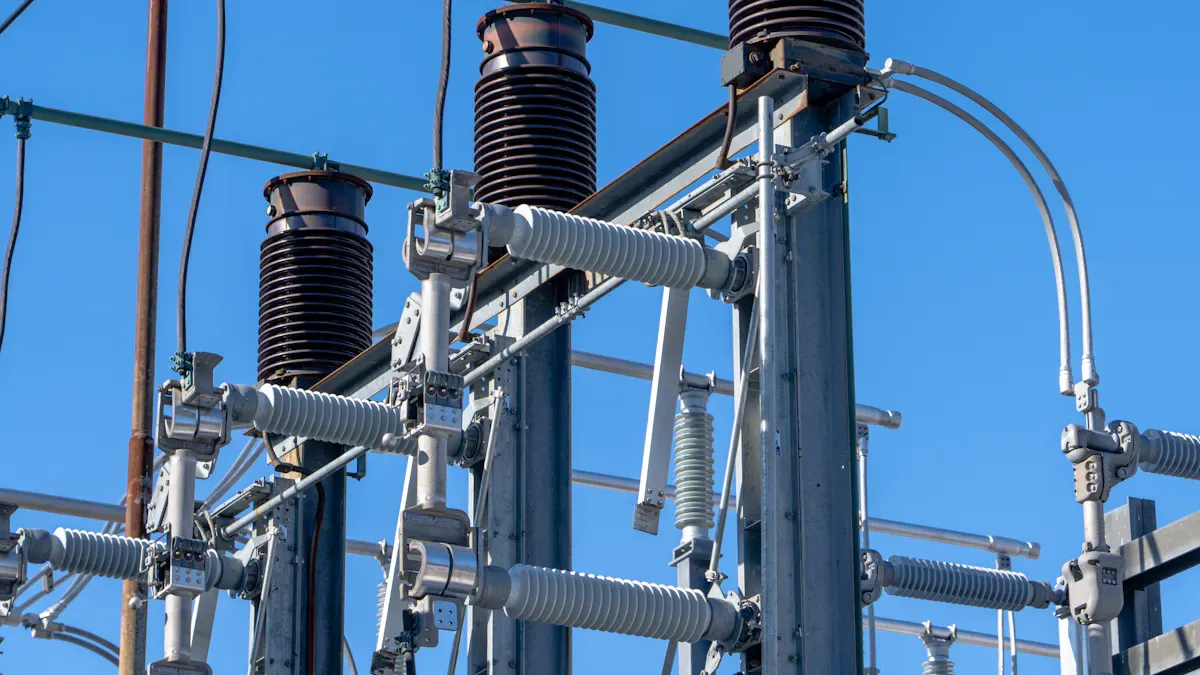
Image Source: pexels
You depend on High Voltage Switchgear to keep your operations safe and reliable. Regular maintenance prevents unexpected failures and protects your team. Ouxu Electric sets industry standards with modern switchgear that uses segregated compartments to reduce arc flash risks. Smart features like digital monitoring and advanced protection quickly isolate faults. You can trust Ouxu Electric to deliver solutions that meet OSHA, NFPA, and IEC standards, ensuring safety and performance every day.
Key Takeaways
Regular maintenance of High Voltage Switchgear is essential for safety. It prevents hazards like arc flashes and electrical failures.
Implement a maintenance plan that includes both preventive and corrective actions. This approach helps identify and fix issues before they escalate.
Conduct routine inspections and testing to catch common failure points early. Look for signs of wear, contamination, and insulation failure.
Keep detailed records of maintenance activities. Good documentation helps track equipment status and ensures compliance with safety standards.
Invest in training for your maintenance team. Well-trained staff reduce human error and improve the reliability of your switchgear.
Why Maintain High Voltage Switchgear
Safety and Reliability
You rely on High Voltage Switchgear to protect your facility and your team. Regular maintenance keeps your equipment safe and reliable. If you skip maintenance, you increase the risk of arc flashes, fires, and even electrocution. These hazards can cause serious injuries and lead to unplanned downtime. Overheating is a common problem that damages switchgear and shortens its lifespan. Electrical defects and harsh environments often cause overheating, so you must stay alert.
Here is a quick look at the main safety risks when you do not maintain your switchgear:
Risk Description | Details |
|---|---|
Regular maintenance is crucial to ensure the safe operation of switchgear. | |
Overstressing of switchgear | Exceeding the rated capacity can lead to failures and hazards. |
Manual operation dependency | Equipment that relies on manual operation can pose risks if not handled properly. |
Absence of anti-reflex control handles | This can lead to unintended operations and accidents. |
Inadequate fire protection | Lack of proper fire safety measures increases the risk of fire hazards. |
Limited access and outlet | Poor access can hinder emergency response and maintenance efforts. |
You can prevent most of these risks by following a maintenance plan. Preventive maintenance helps you find problems before they cause failures. Corrective maintenance lets you fix issues quickly when they appear. Both types keep your High Voltage Switchgear working safely.
Cost and Longevity
You save money and extend the life of your equipment with regular maintenance. Neglecting maintenance leads to expensive repairs and lost production time. When you clean and inspect switchgear, check for loose connections, and replace worn parts, you avoid costly breakdowns.
Tip: Lubricate moving parts and calibrate instruments regularly to keep everything running smoothly.
You also protect your investment by measuring insulation resistance and testing for partial discharge. These steps reveal hidden problems before they become major failures. When you maintain your High Voltage Switchgear, you reduce the risk of electrical overloads, short circuits, and human error.
A well-maintained system lasts longer and performs better. You get more value from your equipment and avoid the high costs of emergency repairs or replacements.
Key Risks in Switchgear Maintenance
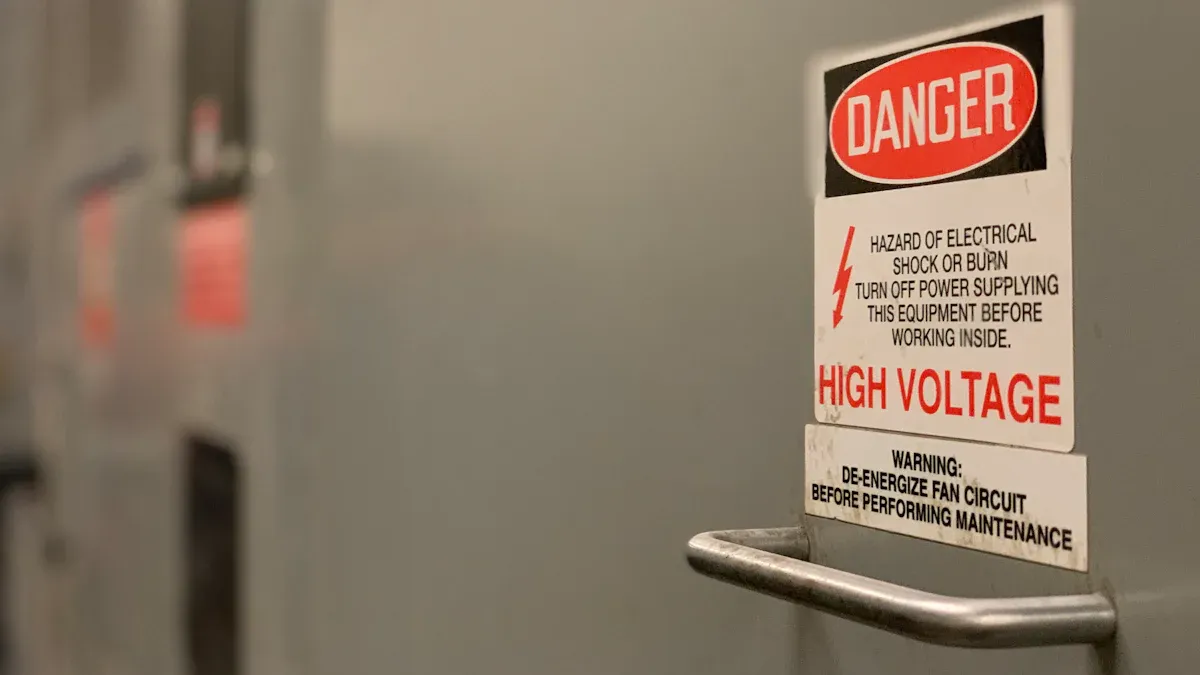
Image Source: unsplash
Common Failure Points
You need to know where high voltage switchgear is most likely to fail. Regular switchgear inspection helps you spot these issues early. Here are some of the most common failure points:
Mechanical wear and faults often affect power circuit breakers and tap changers. You may notice slow or uneven movement during operation.
Environmental contamination, such as dust buildup, moisture stains, or corrosion on metal parts, can lead to electrical faults.
Insulation failure shows up as discoloration, cracks, or swelling on insulation surfaces. These signs mean the insulation may not protect against high voltage as it should.
Tip: Always check for these warning signs during your routine switchgear maintenance. Early detection prevents unexpected outages and costly repairs.
Environmental Challenges
Environmental factors play a big role in switchgear reliability. High temperatures speed up insulation aging and can cause overheating. Low temperatures may make moving parts stiff and less efficient. Humidity between 45% and 75% is critical. Too much humidity can lead to insulation failure and short circuits. Too little humidity increases the risk of static discharge. Pollutants like dust or salt in the air make these problems worse by accelerating the aging of components.
You must design and maintain your switchgear to handle these challenges. Over half of switchgear failures come from preventable causes like humidity and contamination. Ambient temperature also affects friction and coil resistance, which are vital for proper operation. If you ignore these factors, you risk widespread outages and major economic losses.
Human Error
Human error remains a leading cause of switchgear failure. Mistakes during installation, inspection, or maintenance can damage equipment or create unsafe conditions. You might forget to tighten a connection, skip a step in the procedure, or misread a test result. Even experienced technicians can make errors if they rush or lack proper training.
To reduce human error, always follow detailed procedures and use checklists. Provide regular training for your team. Encourage a culture where everyone double-checks their work. Careful attention to detail keeps your high voltage switchgear safe and reliable.
Ouxu Electric Switchgear Maintenance Checklist
You need a clear and practical checklist to keep your Ouxu Electric High Voltage Switchgear in top condition. This section gives you step-by-step guidance for inspecting and maintaining models like XGN15-12, XGN66-12, KYN61-40.5, HXGN-12, and KYN28A-12. You will find industry best practices and tips that match the advanced features of Ouxu Electric products.
Visual Inspection Steps
Start your maintenance routine with a thorough visual inspection. This helps you catch problems early and avoid costly repairs. For Ouxu Electric XGN15-12 and KYN28A-12, follow this checklist:
Checklist Item | Inspection Details | Recommended Frequency |
|---|---|---|
Visual Inspection | Check for physical damage, corrosion, and seal integrity. | Daily/Weekly |
Indicators | Check meter readings, indicator lights, and alarm functions. | Daily |
You should also:
Inspect cabinet sealing and ventilation to ensure proper airflow.
Look for color changes on busbars and connection points. These changes can signal overheating or oxidation.
Examine insulation surfaces for dirt, cracks, or discoloration. Cleanliness prevents tracking and flashover.
Make sure all labels and safety signs are clear and easy to read.
Tip: Consistent visual checks help you spot issues before they become serious faults.
Electrical Testing Procedures
Electrical testing confirms that your switchgear works safely and meets industry standards. For Ouxu Electric KYN61-40.5 and other models, use these guidelines:
Standard | Description |
|---|---|
Common specifications for AC switchgear and controlgear. | |
NETA Maintenance | Testing specifications for electrical power equipment and systems. |
You should:
Measure insulation resistance with a megohmmeter. This test finds weak spots in insulation.
Test contact resistance in main circuit breakers using a micro-ohmmeter. Low resistance means good connections.
Perform dielectric tests to check the strength of insulation between live parts and ground.
Calibrate protection relays and meters to ensure accurate readings.
Always follow the manufacturer's manual and safety rules during testing. Record your results for future reference.
Mechanical Operation Checks
Mechanical checks keep your switchgear running smoothly and safely. For Ouxu Electric HXGN-12, include these steps:
Perform Lockout/Tagout (LOTO) to disconnect all power before you start.
Check for physical damage and make sure doors and seals are secure.
Clean dust and dirt from inside the cabinet.
Use a torque wrench to verify that all bolted connections are tight.
Lubricate moving parts such as hinges and operating mechanisms.
Test insulation resistance of busbars and cables.
Measure contact resistance of main circuit breaker contacts.
Use thermal imaging to scan for hot spots during live operation.
Note: Regular mechanical checks reduce the risk of failure and extend the life of your equipment.
Thermal Imaging and Infrared Scans
Thermal imaging and infrared scans help you find hidden problems before they cause failures. These tools detect abnormal heat in connections, cables, and breakers. For all Ouxu Electric High Voltage Switchgear models, add this step to your routine.
Effectiveness Metric | Value |
|---|---|
Reduction in unplanned downtime | |
Extension of asset life for transformers/switchgear | 5–10 years |
Estimated cost savings from preventive repairs | USD 2.5 million in lost revenue/penalties |
You should:
Scan all main connections, busbars, and cable joints during normal operation.
Look for hot spots or uneven heating. These signs often mean loose connections or overloaded circuits.
Schedule repairs right away if you find abnormal temperatures.
Thermal imaging is a powerful tool. It helps you avoid unexpected shutdowns and saves money by preventing major failures.
By following this checklist, you ensure your Ouxu Electric switchgear stays reliable, safe, and efficient. Always use the technical manuals and support services provided by Ouxu Electric for detailed guidance.
Best Practices for High Voltage Switchgear
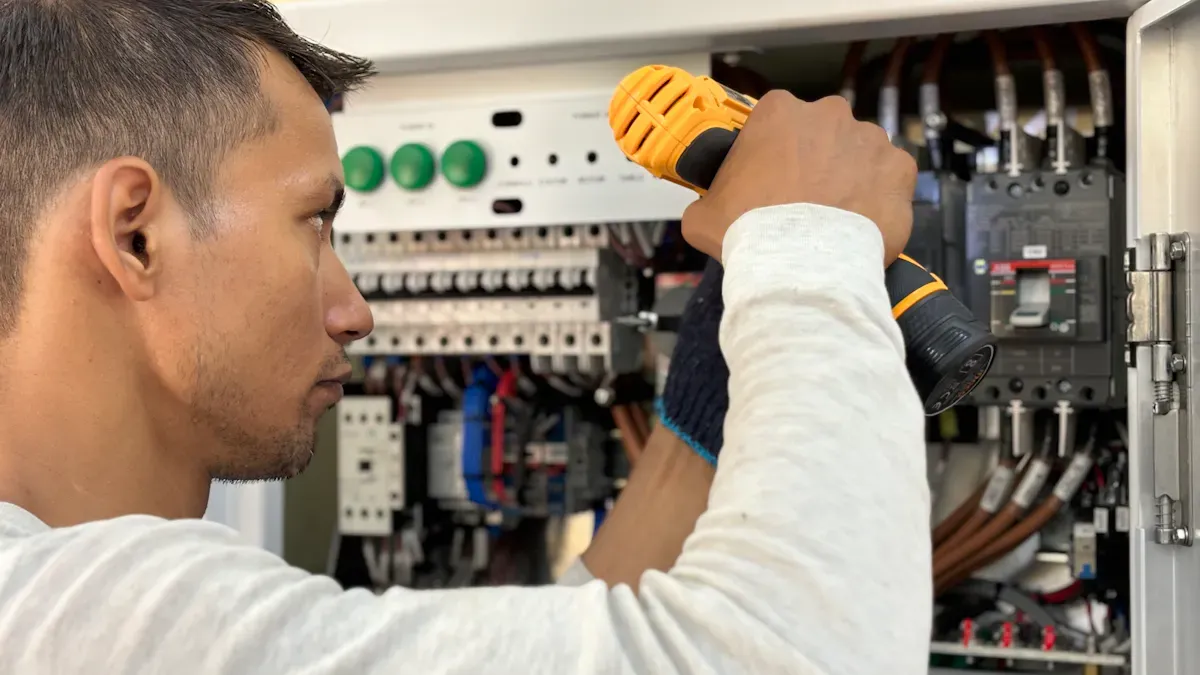
Image Source: pexels
Cleaning and Lubrication
You must keep your switchgear clean and well-lubricated to prevent operational failures. Dust, debris, and oxidation can cause electrical faults and mechanical wear. Regular cleaning and lubrication help your equipment run smoothly and last longer.
Clean and inspect switchgear components regularly. Use insulated brushes and HEPA vacuums to remove dust and debris.
Check for loose electrical connections. Tighten them to prevent overheating.
Replace worn-out or corroded parts promptly. This keeps your system reliable.
Lubricate moving parts to reduce friction. Apply the correct lubricant to hinges, operating mechanisms, and contact surfaces.
Calibrate instruments regularly to maintain accuracy.
You should use low-pressure compressed air to remove dust without damaging sensitive components. Clean insulation parts with specialized cleaners that preserve their properties. Remove oxidation from metal contacts using contact cleaners and fine abrasives. Inspect and replace sealing strips that no longer protect against environmental factors.
Tip: Always wear insulated gloves and use insulated tools when cleaning or lubricating High Voltage Switchgear. Safety comes first.
Ouxu Electric provides detailed technical manuals for each product. You can follow these guides to ensure proper cleaning and lubrication. If you need help, Ouxu Electric’s remote support team can assist you with maintenance procedures.
Documentation and Record Keeping
Proper documentation improves the effectiveness of your maintenance program. You need to keep accurate records to track maintenance tasks and equipment status.
Maintain a documented preventive maintenance schedule. This ensures you perform all necessary tasks on time.
Create an equipment inventory list. This helps you manage and track switchgear components.
Classify risks for all systems. Prioritize maintenance based on potential hazards.
Prepare emergency response procedures. Your staff will be ready for unexpected situations.
Keep audit-ready inspection reports. These provide proof of compliance during regulatory inspections.
Note: Good record keeping helps you spot trends, plan repairs, and stay compliant with industry standards.
Ouxu Electric’s after-sales service includes maintenance reminders and regular follow-up visits. You can use their bilingual manuals and remote guidance to keep your records organized and up to date.
Training and Certification
You need well-trained staff to maintain High Voltage Switchgear safely and effectively. Training reduces human error and improves operational reliability.
Provide regular training for your maintenance team. Teach them how to follow detailed procedures and use checklists.
Ensure technicians understand the latest safety standards and best practices.
Encourage certification for all staff. Certified technicians know how to handle complex maintenance tasks.
Use Ouxu Electric’s technical manuals and remote support for ongoing education.
Tip: Ouxu Electric offers training sessions and technical support. You can access these resources to keep your team skilled and confident.
When you follow these best practices, you protect your equipment, your team, and your investment. You keep your High Voltage Switchgear running safely and efficiently. Ouxu Electric’s support and guidance help you achieve reliable performance every day.
Maintenance Schedules and Intervals
You need a clear maintenance schedule to keep your High Voltage Switchgear reliable and safe. A well-planned routine helps you prevent failures and extend equipment life. You can tailor your schedule based on system criticality and environmental conditions.
Routine Inspections
Routine inspections help you spot issues before they become serious. You should adjust the frequency based on how critical your system is and the environment it operates in.
Critical systems: Inspect monthly or quarterly.
Moderate systems: Inspect semiannually or annually.
Low-risk systems: Inspect every 2–3 years.
NETA Appendix B recommends these intervals to enhance reliability and reduce outages. You can use these guidelines to build your own maintenance plan.
Tip: Always document inspection results and follow up on any abnormalities.
Annual Testing
Annual testing ensures your switchgear meets safety standards and operates as expected. You should perform preventive maintenance at least once a year. Functional testing is also important.
Source | Recommendation |
|---|---|
The Ultimate Guide to Switchgear Maintenance | At least one preventive maintenance service per year for medium- to high-voltage switchgear. |
Maintenance Practices for RMU and Switchgear | Functional Testing should be performed at least once a year. |
Why Electrical Switchgear is Critical for Industrial Safety? | Work with your power service partner to determine inspection frequency. |
What is Switchgear Maintenance? | Maintenance intervals typically range from six to twelve months, depending on environment and load levels. |
You can work with your service partner to set the best interval for your facility.
Condition-Based Maintenance
Condition-based maintenance uses real-time data to decide when you need service. This approach offers several advantages over time-based maintenance.
Advantage | Description |
|---|---|
Extend maintenance intervals | You can wait longer between maintenance activities if equipment stays healthy. |
Limit equipment downtime | Early detection of issues allows remote diagnostics before service visits. |
Avoid unnecessary part replacements | You only replace parts when needed, reducing waste and costs. |
Enable faster decision-making | Quick decisions improve repair efficiency and lower overall costs. |
You can use sensors and monitoring systems to track equipment health. This method helps you avoid unnecessary work and keeps your switchgear running efficiently.
Note: Condition-based maintenance works best when you combine it with routine inspections and annual testing.
Avoiding Common Maintenance Mistakes
Skipping Scheduled Tasks
You may feel tempted to skip routine maintenance when your schedule gets busy. This decision can lead to serious problems. Many teams often overlook basic tasks that keep High Voltage Switchgear reliable. Commonly skipped tasks include:
Cleaning: You need to remove dirt and debris to prevent failures.
Lubrication: You must keep moving parts lubricated to avoid wear and breakdowns.
Tightening & Retorquing: You should check and maintain proper torque on all connections for stable performance.
Missing these steps increases the risk of overheating, mechanical failure, and electrical faults. You protect your equipment and your team by following every scheduled task.
Inadequate Testing
You cannot rely on visual checks alone. Inadequate testing leaves hidden faults undetected. Regular testing and environmental monitoring are essential for preventing insulation failure. You should schedule insulation resistance and partial discharge tests during every maintenance cycle. Continuous monitoring of humidity and temperature in the switchgear room reduces contamination risks. These practices can reduce unplanned outages by up to 85% and extend equipment life by 20–30%.
You also need to use thermal imaging and insulation tests. These tools help you find problems early, such as overheating or insulation breakdown. Early detection saves you from costly downtime and repairs.
Poor Documentation
Poor documentation creates confusion and increases risk. You need accurate records to track maintenance and ensure compliance. The following table shows the risks you face when documentation is lacking:
Risk Type | Description |
|---|---|
Non-adherence to NFPA 70B and 70E Guidelines | Failure to comply can lead to heavy financial penalties and legal issues due to mandatory standards. |
Missing Historical Test Data and Maintenance Logs | Inability to track equipment history can impede early detection of failures and lead to compliance audit failures. |
Unqualified Personnel Performing Critical Inspections | Increased liability due to unqualified personnel can result in workplace accidents and safety violations. |
You should keep detailed logs of every inspection, test, and repair. Good records help you spot trends, plan future maintenance, and pass audits with confidence.
Tip: Use Ouxu Electric’s technical manuals and after-sales support to improve your documentation process.
Ouxu Electric Case Study: Industrial Park Solution
Environmental Adaptation
You face tough environmental challenges in Southeast Asia. High humidity and heat can damage high voltage switchgear and cause failures. Ouxu Electric designed solutions to help you overcome these problems. You get equipment that stands up to harsh conditions and keeps your operations running.
Ouxu Electric uses corrosion-resistant materials in switchgear cabinets. This protects your equipment from rust and extends its life.
You benefit from dehumidification technology. This system removes excess moisture and prevents condensation inside the switchgear.
The switchgear includes dry type amorphous alloy transformers. These are eco-friendly and energy-efficient. They reduce core losses by up to 80% and do not use insulating oil, so you avoid oil leaks and environmental contamination.
The amorphous alloy core is recyclable and made with fewer emissions. You help protect the environment while keeping your power system reliable.
Moisture and condensation can cause serious problems. The table below shows why dehumidification matters:
Issue | Description |
|---|---|
High moisture can create conductive films on insulation, leading to arc discharge. | |
Condensation Risks | Water droplets may form, causing short-circuit failures during over-voltage. |
You need to control humidity to keep your switchgear safe and reliable. Ouxu Electric’s design helps you do that.
Remote Monitoring Benefits
You want to know your power system is working at all times. Ouxu Electric gives you remote monitoring tools that make this possible. You can track current, voltage, and switch status in real time from your phone or computer.
Remote monitoring sends you instant alerts if there is an overcurrent or overvoltage.
You can see the status of every switchgear cabinet without being on site.
The system helps you plan maintenance before problems become serious.
You reduce downtime and avoid costly repairs by acting quickly.
With these tools, you stay in control. You keep your industrial park running smoothly, even in challenging environments. Ouxu Electric’s approach to maintenance and monitoring gives you peace of mind and supports your long-term success.
You can keep your High Voltage Switchgear safe and reliable by following a clear maintenance plan. Regular inspections, risk-based strategies, and proper documentation help you prevent failures and reduce costs. Ouxu Electric supports you with advanced equipment, technical guidance, and remote monitoring tools. Review your current maintenance routine and choose Ouxu Electric for expert support and long-term performance.
Explore Ouxu Electric Products & Services
FAQ
How often should you inspect high voltage switchgear?
You should inspect high voltage switchgear at least once every six months. For critical systems, monthly checks help prevent failures. Always follow the manufacturer’s recommendations for your specific Ouxu Electric model.
What are the signs of switchgear needing maintenance?
Look for these warning signs:
Unusual noises or vibrations
Discoloration or burns on insulation
Tripped protection devices
Abnormal meter readings
Act quickly if you notice any of these issues.
Can you perform maintenance without shutting down the system?
You must de-energize and lock out the switchgear before maintenance. This keeps you safe and prevents accidents. Never work on live high voltage equipment.
What tools do you need for basic switchgear maintenance?
You need insulated hand tools, a torque wrench, a megohmmeter, and thermal imaging equipment. Always use personal protective equipment (PPE) when working on high voltage systems.
Does Ouxu Electric provide technical support for maintenance?
Yes! Ouxu Electric offers technical manuals, remote support, and training. You can contact their service team for guidance on maintenance procedures and troubleshooting.